THE SHIP
World War II resulted in rapid expansion of Marine Corps aviation (from thirteen squadrons on December 7, 1941, to eighty-seven in 1943) and the integration of Marine aviation units into the Navy’s land-based air organization. It became apparent to the Marine brass that once the battle zone shifted to the mid-Pacific, and then near to Japan, that there would be no land-based Marine air squadrons within reach of the ground Marines until an airbase could be captured. Unless something happened, all close air support (CAS) would have to come from the Navy. The Marine Corps brass believed strongly that Marine air should support Marine ground units. They argued successfully to have their own carriers with specially trained CAS units. There were four such escort carriers of the Commencement Class tasked to begin this new approach. In order of implementation, they were:
USS Block Island (CVE-106),
USS Gilbert Islands (CVE-107),
USS Cape Gloucester (CVE-109),
USS Vella Gulf (CVE-111)
USS Block Island (CVE-106),
USS Gilbert Islands (CVE-107),
USS Cape Gloucester (CVE-109),
USS Vella Gulf (CVE-111)

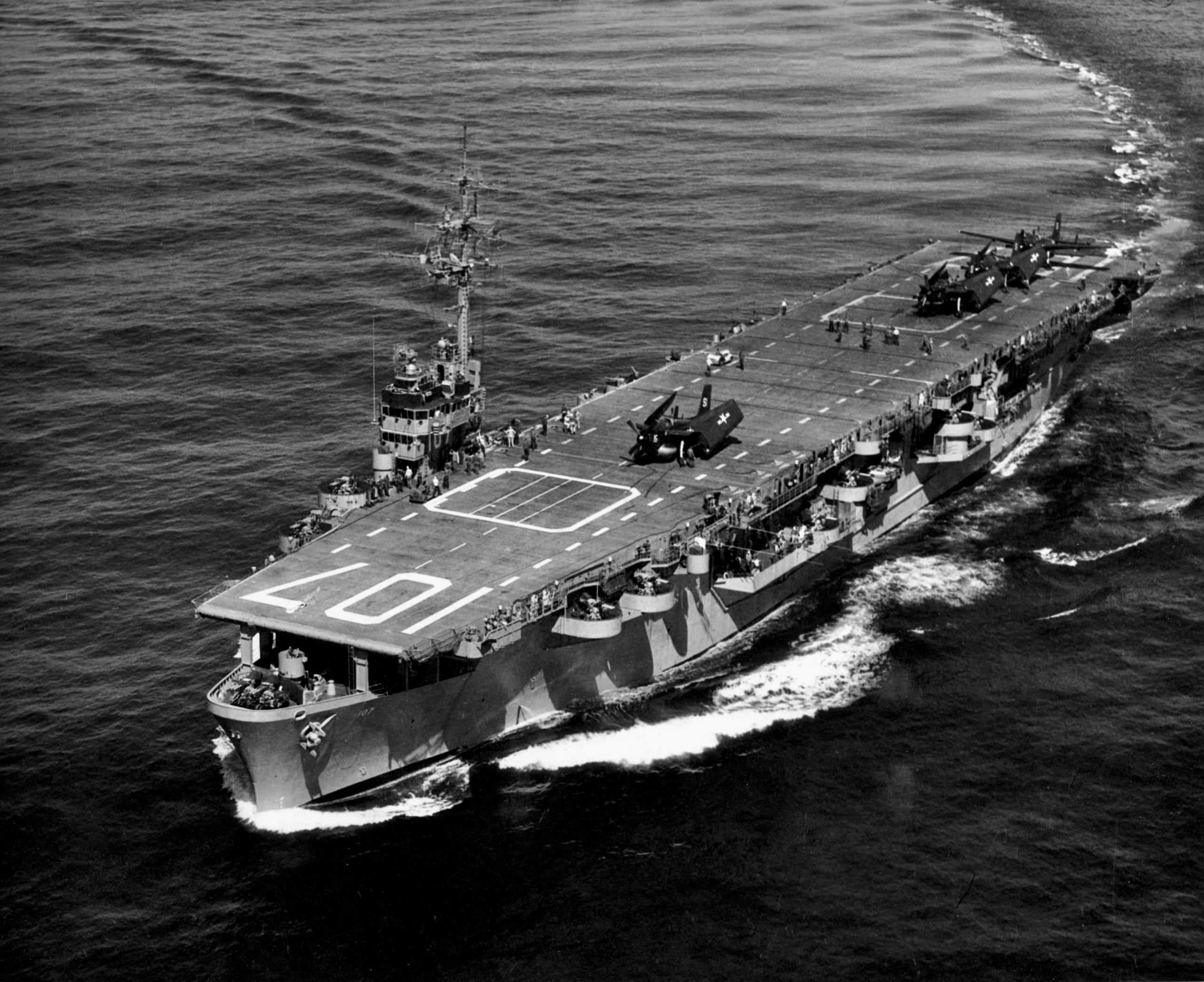
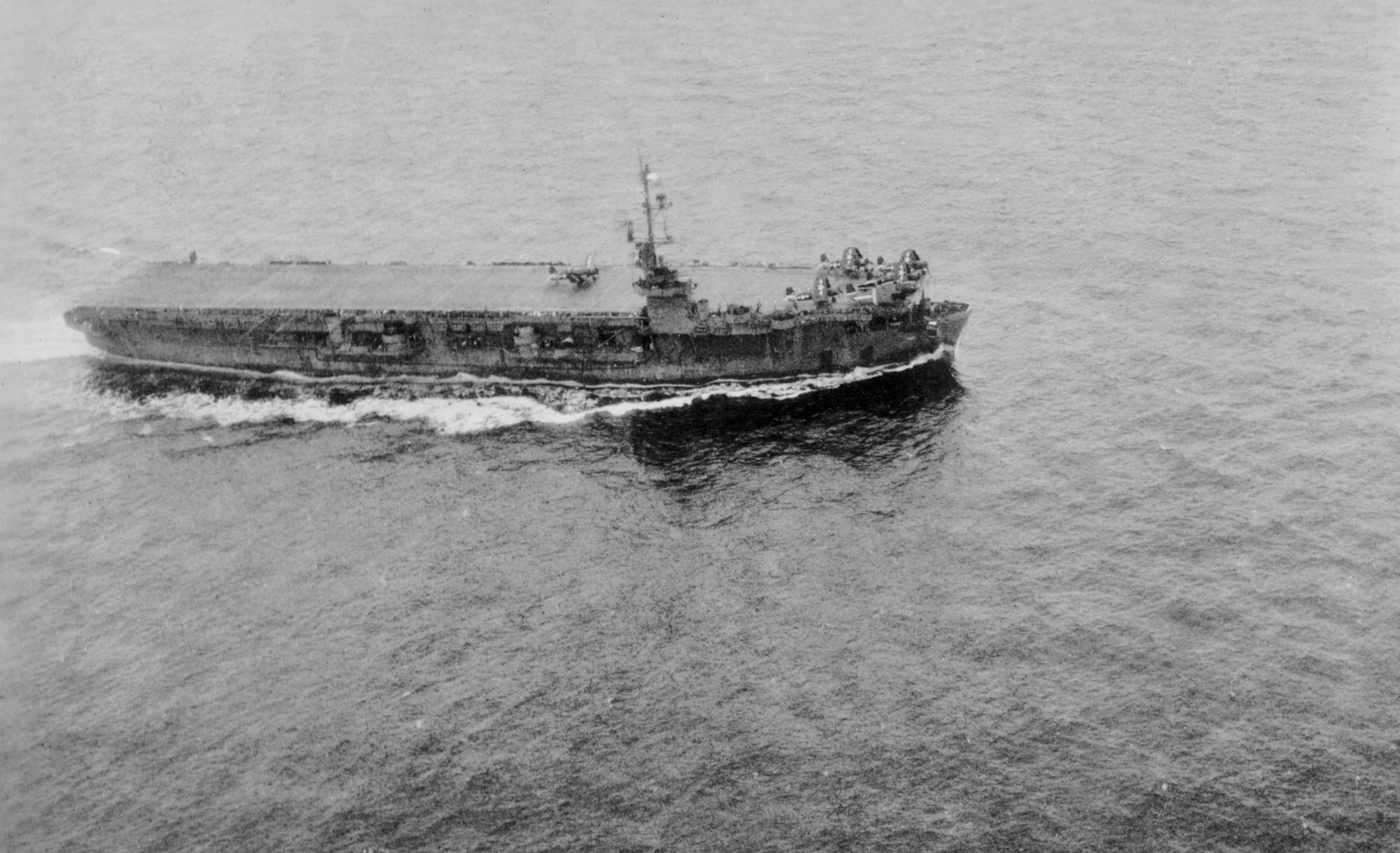
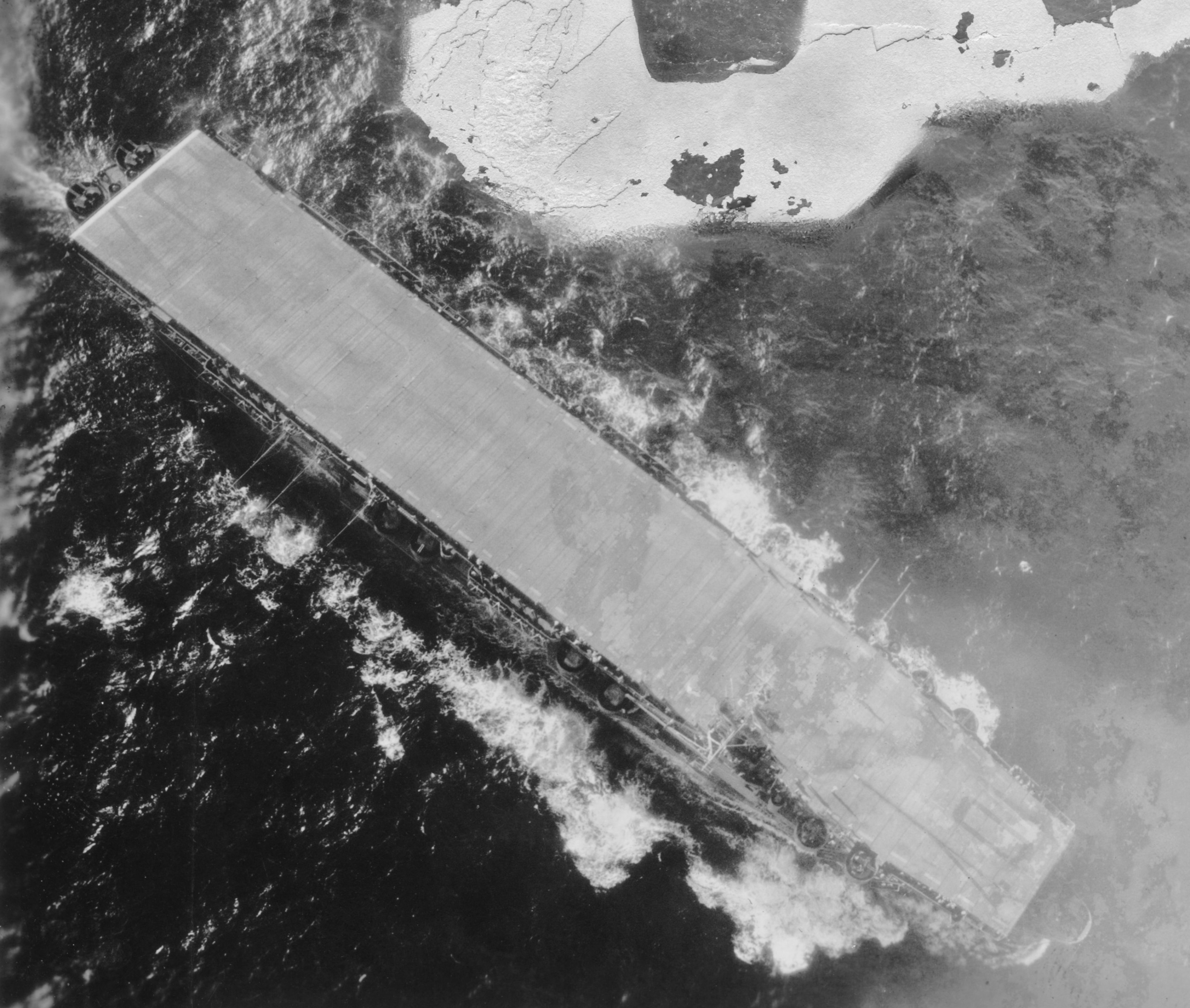
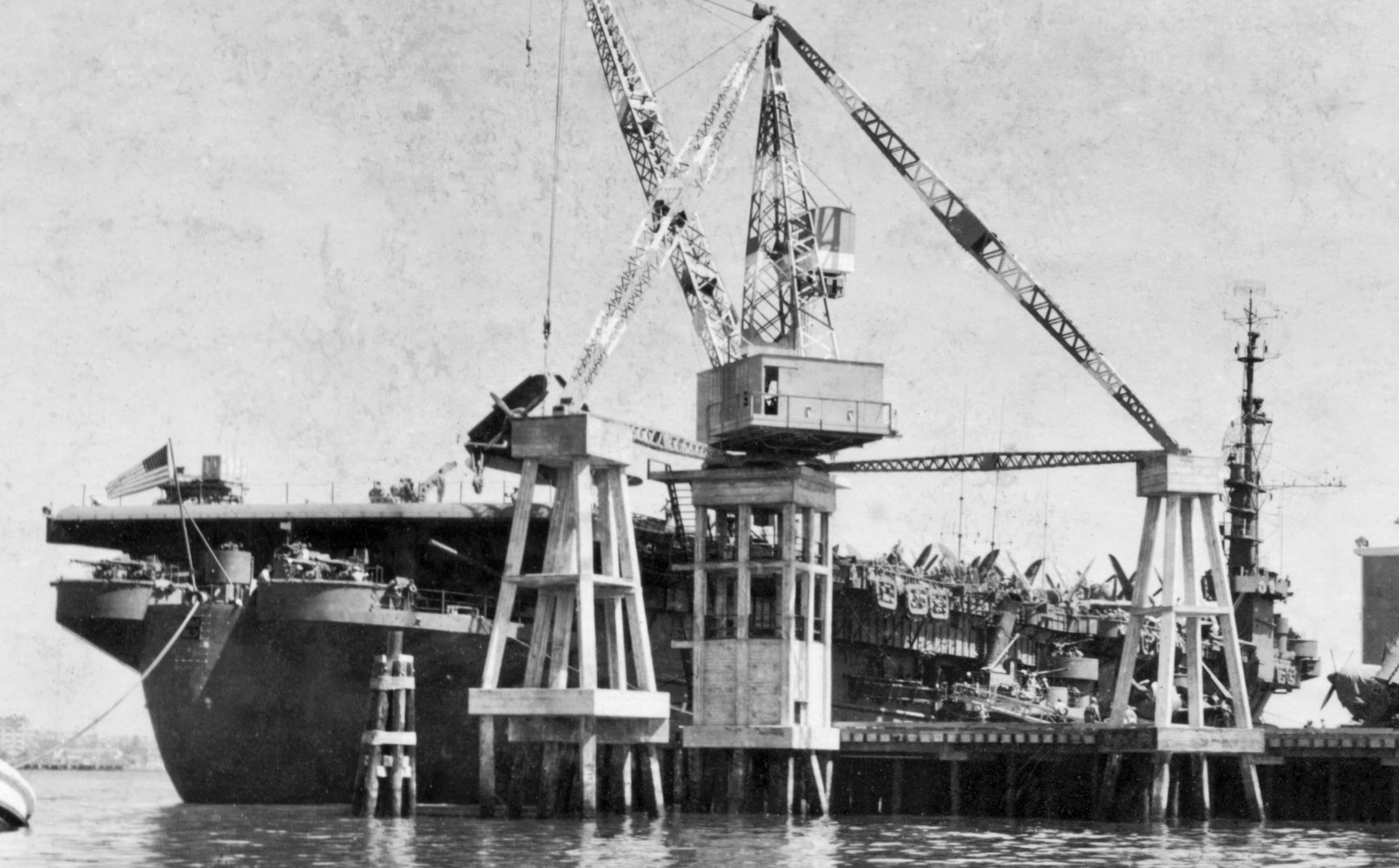
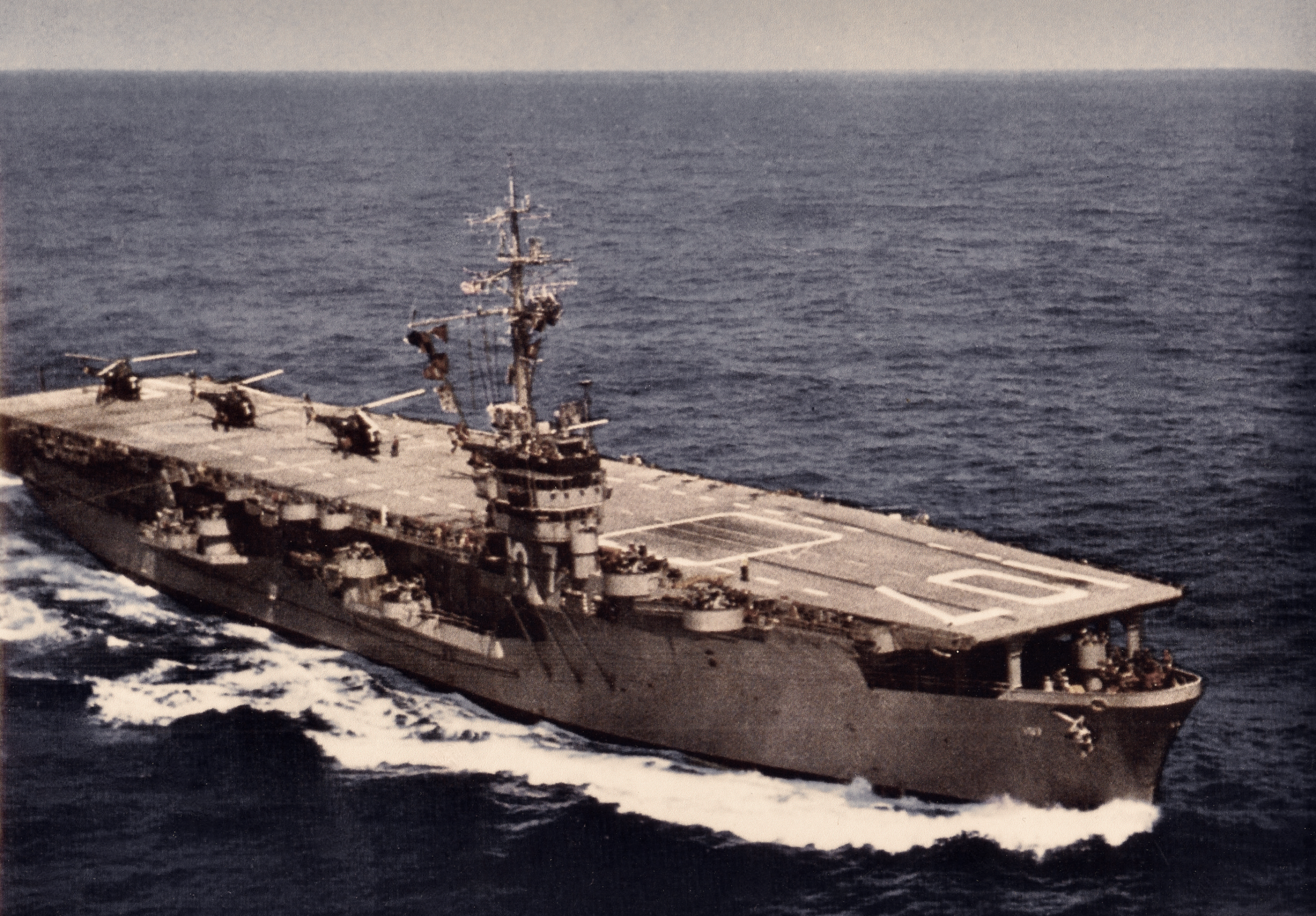
The U.S.S. Gilbert Islands (CVE-107) was an Escort Carrier of the Commencement Class:
Awarded: 1943
Keel laid: November 29, 1943
Launched: July 20, 1944
Commissioned: February 5, 1945
Decommissioned: May 21, 1946
Recommissioned: September 7, 1951
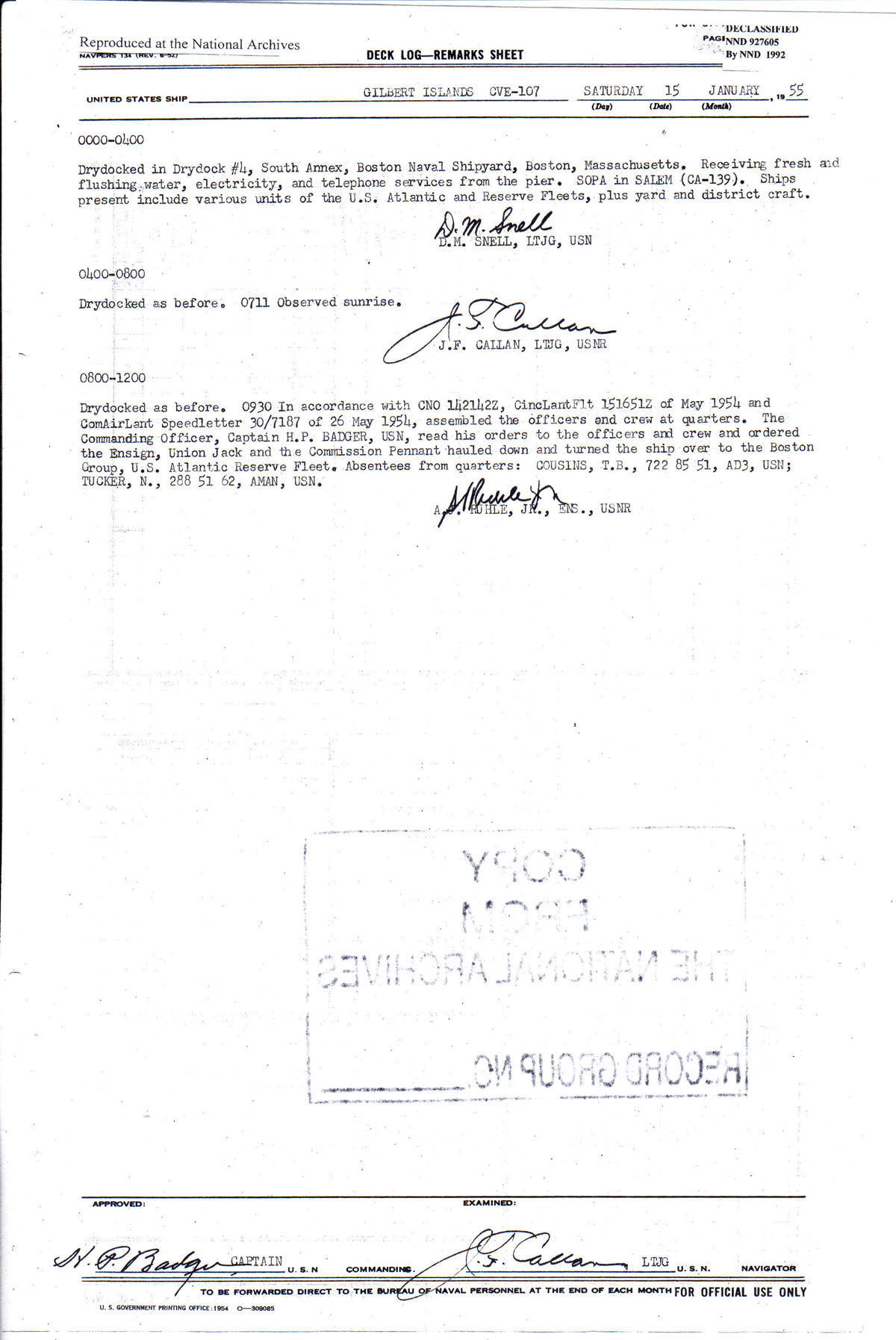
Decommissioned: January 15, 1955
Builder: Todd-Pacific Shipyards, Tacoma, Wash.
Propulsion system: four boilers, geared turbines
Propellers: two
Length: 557 feet (170 meters)
Flight Deck Width: 105.3 feet (32.1 meters)
Beam: 75 feet (23 meters)
Draft: 30.8 feet (9.35 meters)
Displacement: approx. 24,250 tons full load
Speed: 19 knots
Catapults: two
Aircraft: 34 planes
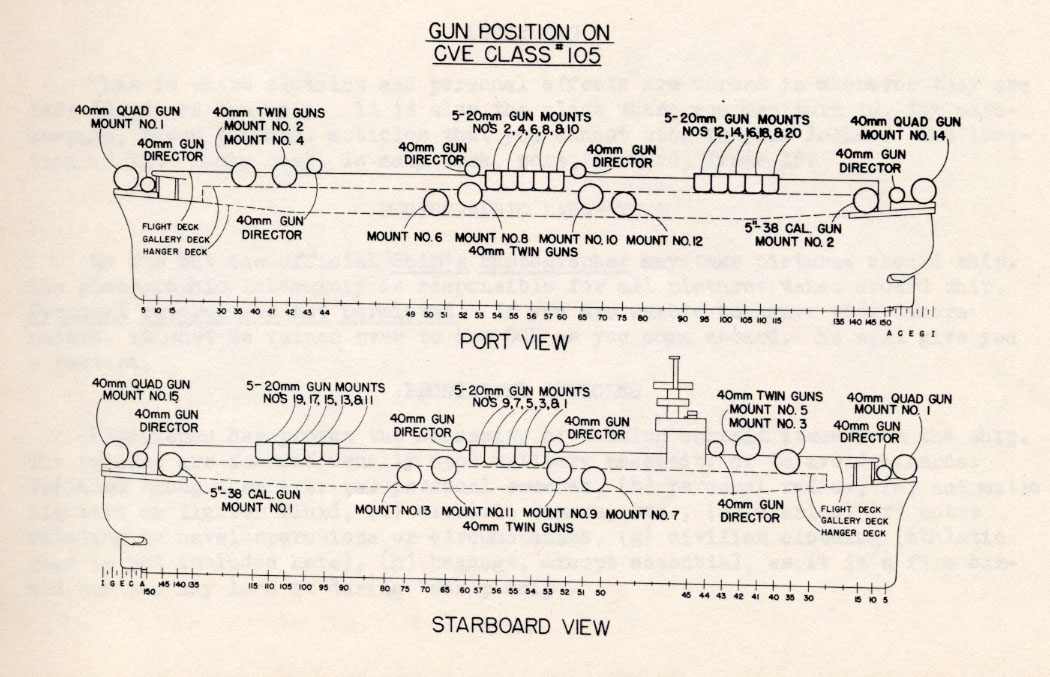
Armament: 2 – 5inch/38-caliper guns, 36 – 40mm guns, and 20 – 20mm guns
Crew: Approximately 1,050
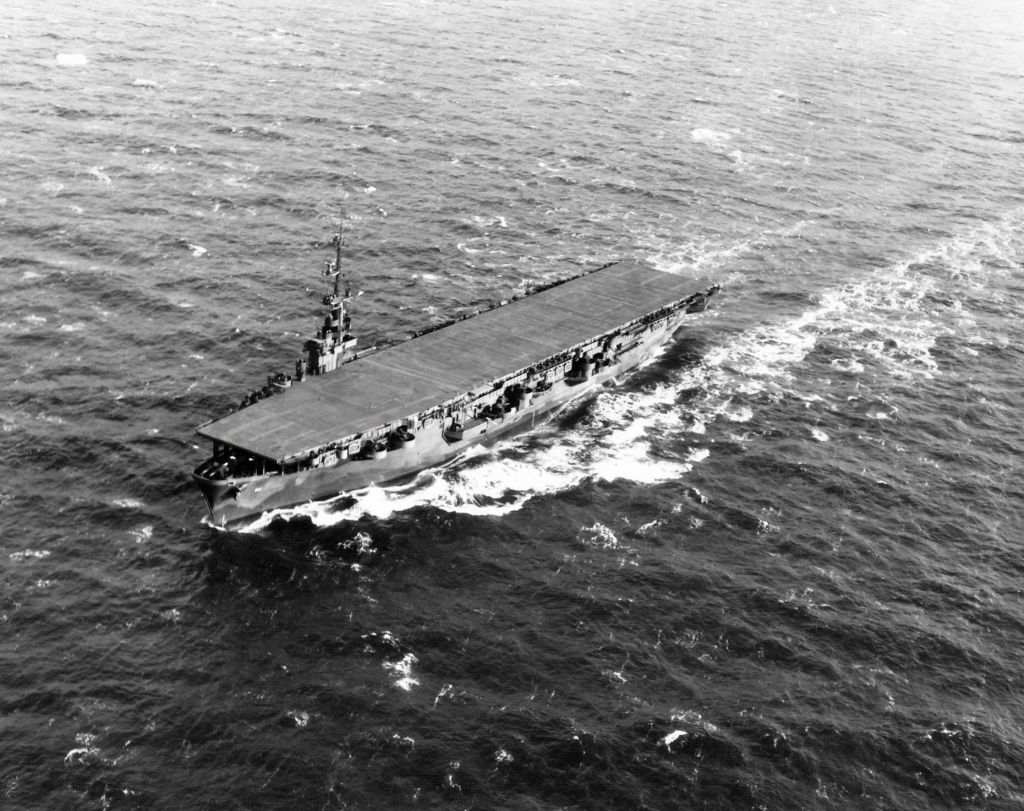
The U.S.S. Gilbert Islands (CVE-107) was an Escort Carrier of the Commencement Class:
Awarded: 1943
Keel laid: November 29, 1943
Launched: July 20, 1944
Commissioned: February 5, 1945
Decommissioned: May 21, 1946
Recommissioned: September 7, 1951
Decommissioned: January 15, 1955
Builder: Todd-Pacific Shipyards, Tacoma, Wash.
Propulsion system: four boilers, geared turbines
Propellers: two
Length: 557 feet (170 meters)
Flight Deck Width: 105.3 feet (32.1 meters)
Beam: 75 feet (23 meters)
Draft: 30.8 feet (9.35 meters)
Displacement: approx. 24,250 tons full load
Speed: 19 knots
Catapults: two
Aircraft: 34 planes
Armament: 2 – 5inch/38-caliper guns, 36 – 40mm guns, and 20 – 20mm guns
Crew: Approximately 1,050
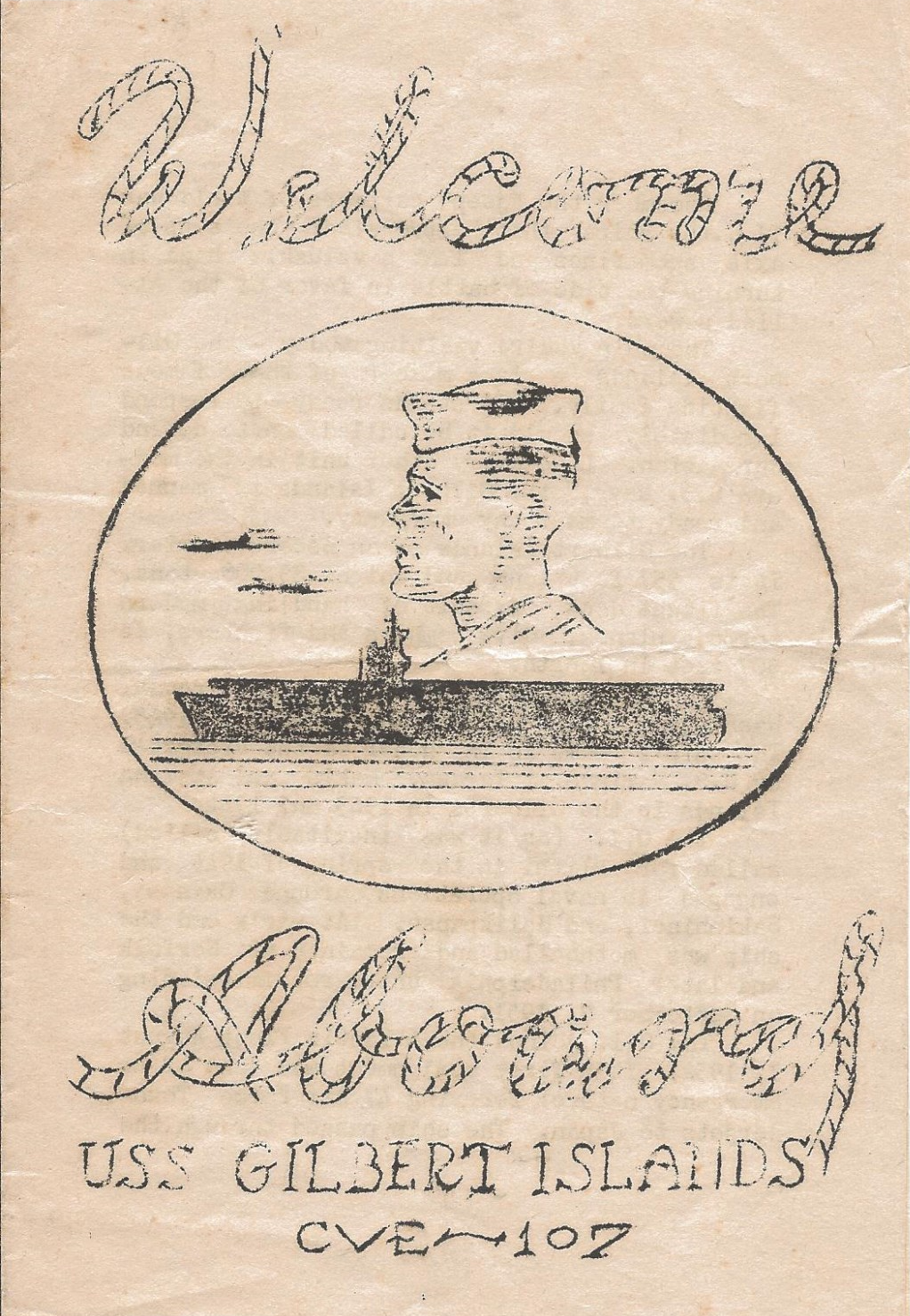
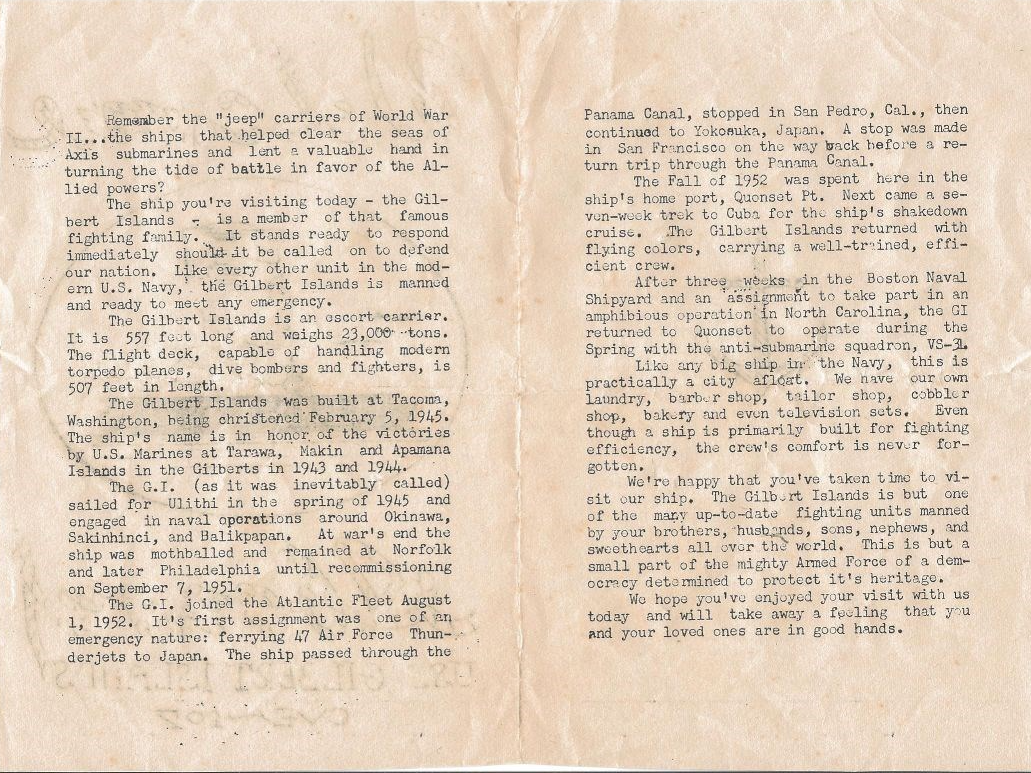
As for the USS Gilbert Islands, the ship was originally named the St. Andrews Bay, her name was changed later in 1944 to honor the Marines who fought the bloody battle on Tarawa. Tarawa is one of the atolls in a chain of sixteen that make up the Gilbert Islands. They are located in the Pacific Ocean, about halfway between Papua New Guinea and Hawaii. Courtesy of Capt. Bill Patterson you can view the handout from the ship’s commissioning by clicking on this page:
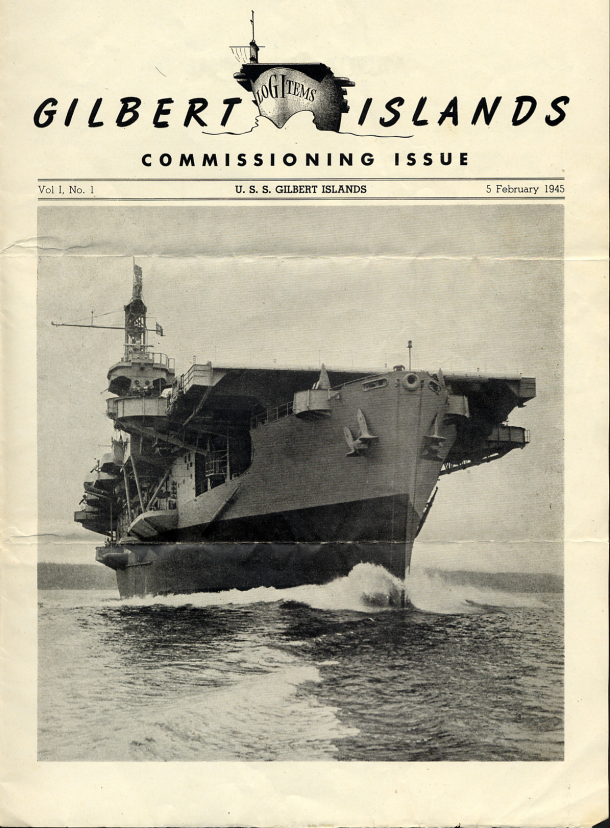
As for the USS Gilbert Islands, the ship was originally named the St. Andrews Bay, her name was changed later in 1944 to honor the Marines who fought the bloody battle on Tarawa. Tarawa is one of the atolls in a chain of sixteen that make up the Gilbert Islands. They are located in the Pacific Ocean, about halfway between Papua New Guinea and Hawaii. Courtesy of Capt. Bill Patterson you can view the handout from the ship’s commissioning by clicking on this page:
Having been designed as an adaptation of a hull originally conceived for tanker construction, the Gilbert Islands has tremendous liquid carrying capacities, including nearly 1,000,000 of fuel oil, more than 125,000 gallons of diesel oil, more than 150,000 gallons of gasoline, more than 150,000 gallons of fresh water, adequate quantities of lubricating oils and alcohol, and in addition, the ship normally carried more than 3,000,000 gallons of salt water ballast.
The Marine Corp Aviation Group onboard (MCVG-2)was comprised of the following:
USMC CASD-2 Air Service Detachment – 11 Officers and 230 Enlisted
USMC Fighter Squadron VMF-512 – 33 Officers and 8 Enlisted as pilots
USMC Bomber Squadron VMTB-143 – 20 Officers and 41 Enlisted as pilots and gunners
Other USMC onboard – 1 Officer and 25 Enlisted.
The total for both US Navy and Marine Corp was 128 Officers and 1,050 Enlisted onboard.
An overall summary of the WWII history of the Gilbert Islands can be found by reading this summary report from the ship’s Navigator Lt. Ray Vanderoot:
After WWII in 1946 the USS Gilbert Islands was moved to the Atlantic Fleet and put out of service until late 1951 when it was overhauled and reentered service in August 1952 in support of the Korean War.

After WWII in 1946 the USS Gilbert Islands was moved to the Atlantic Fleet and put out of service until late 1951 when it was overhauled and reentered service in August 1952 in support of the Korean War.

In March 1964 it was recommissioned again as the USS Annapolis (AGMR-1) modified into a communication relay ship to support the Vietnam War.
In March 1964 it was recommissioned again as the USS Annapolis (AGMR-1) modified into a communication relay ship to support the Vietnam War.
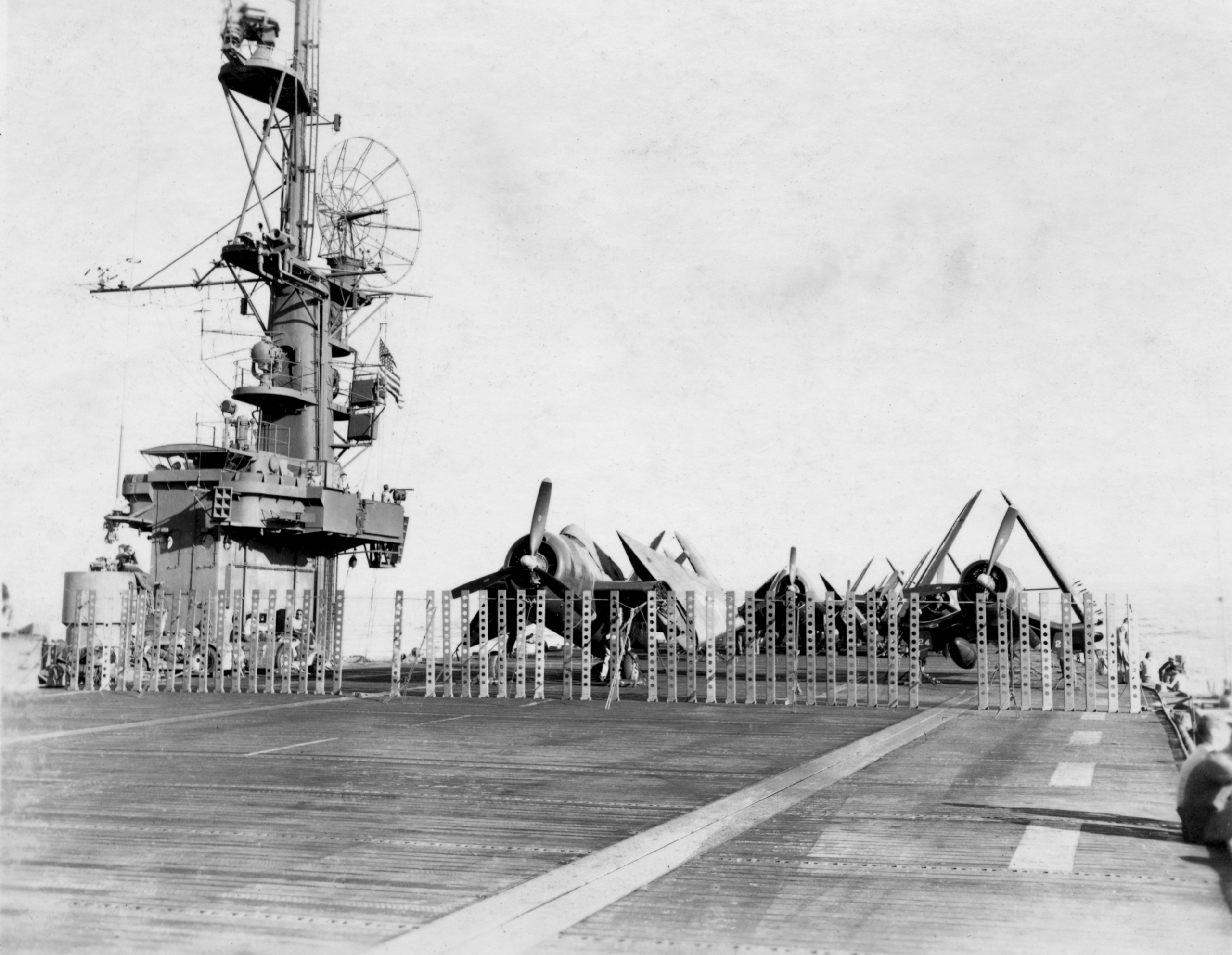
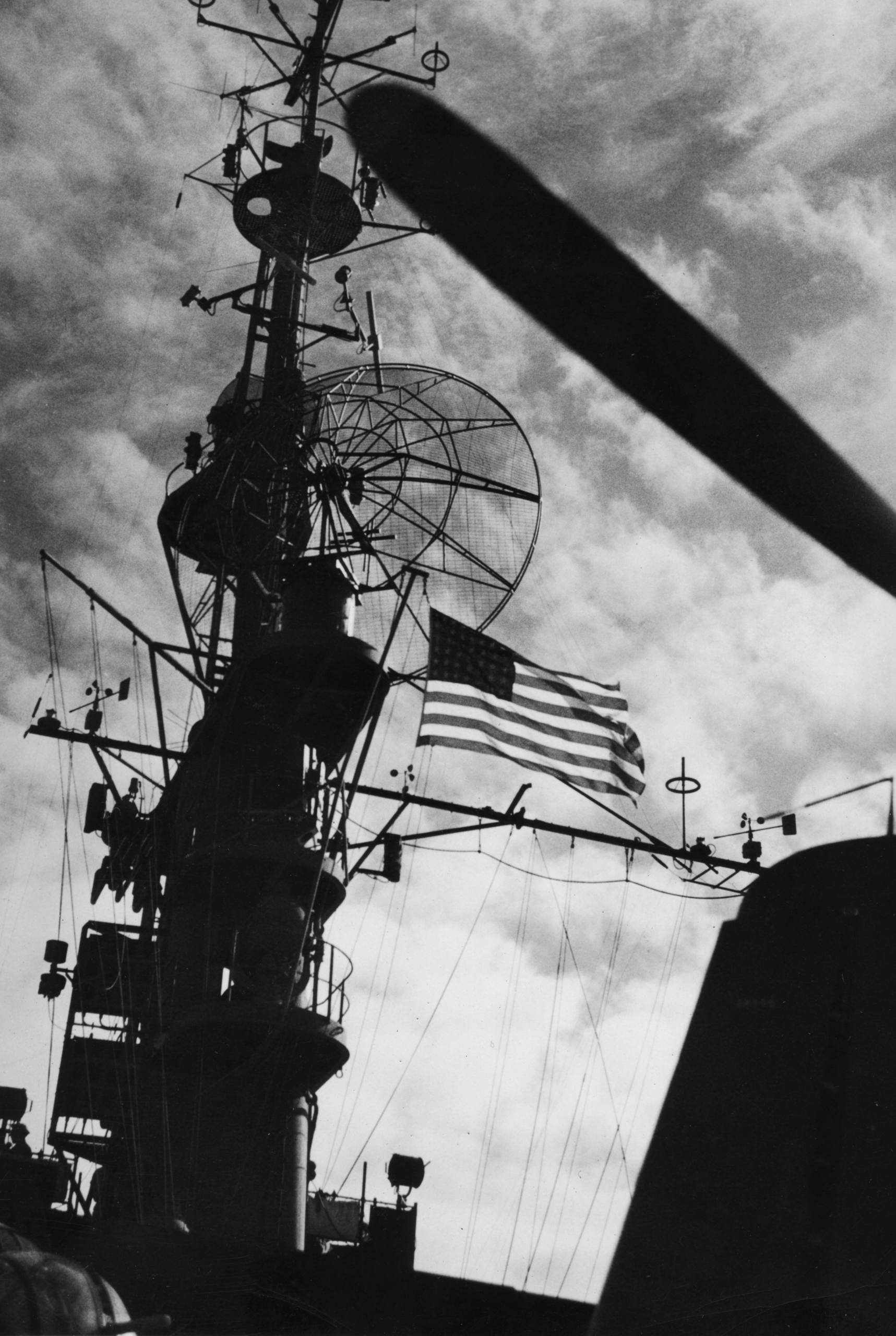
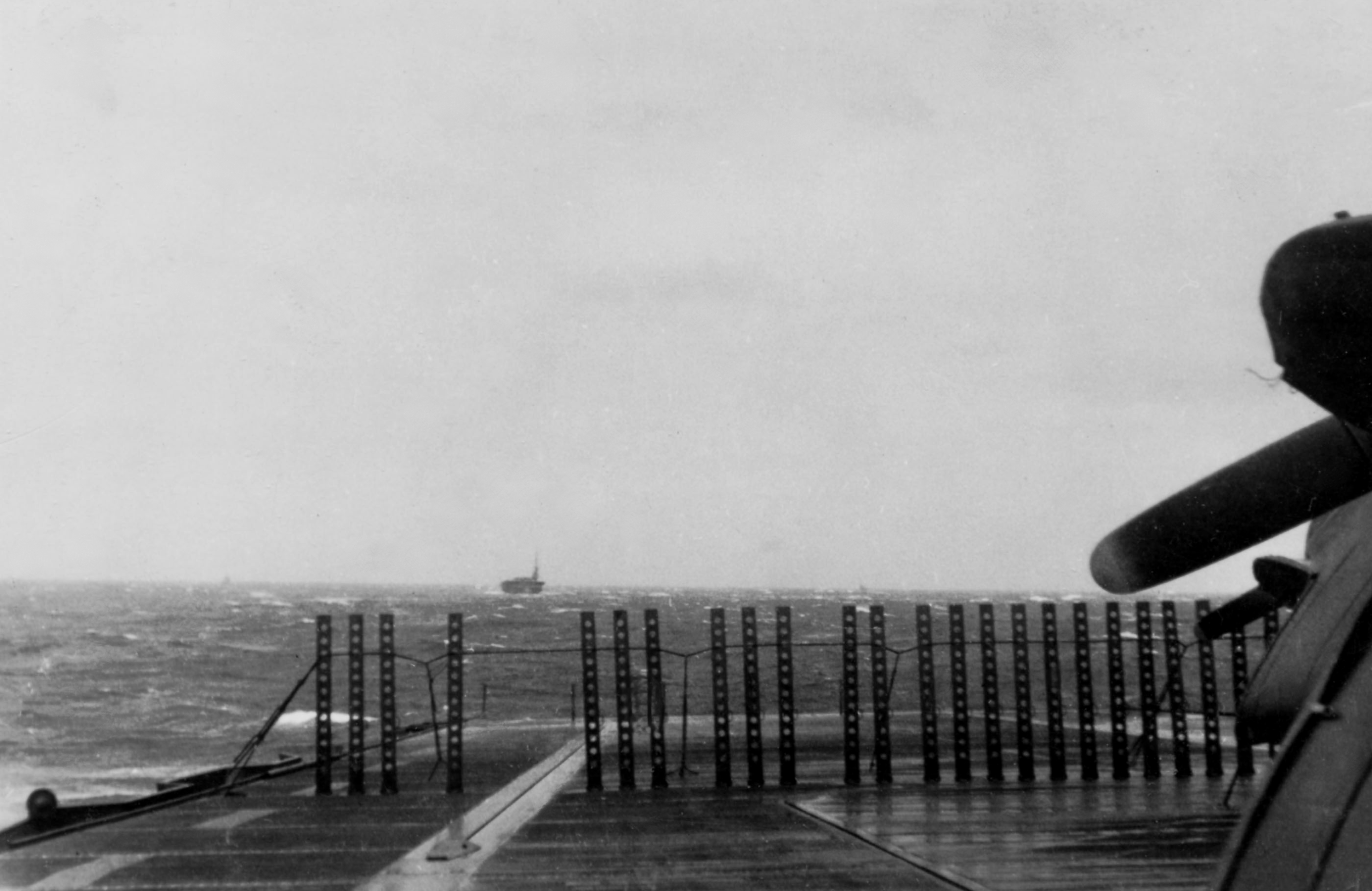
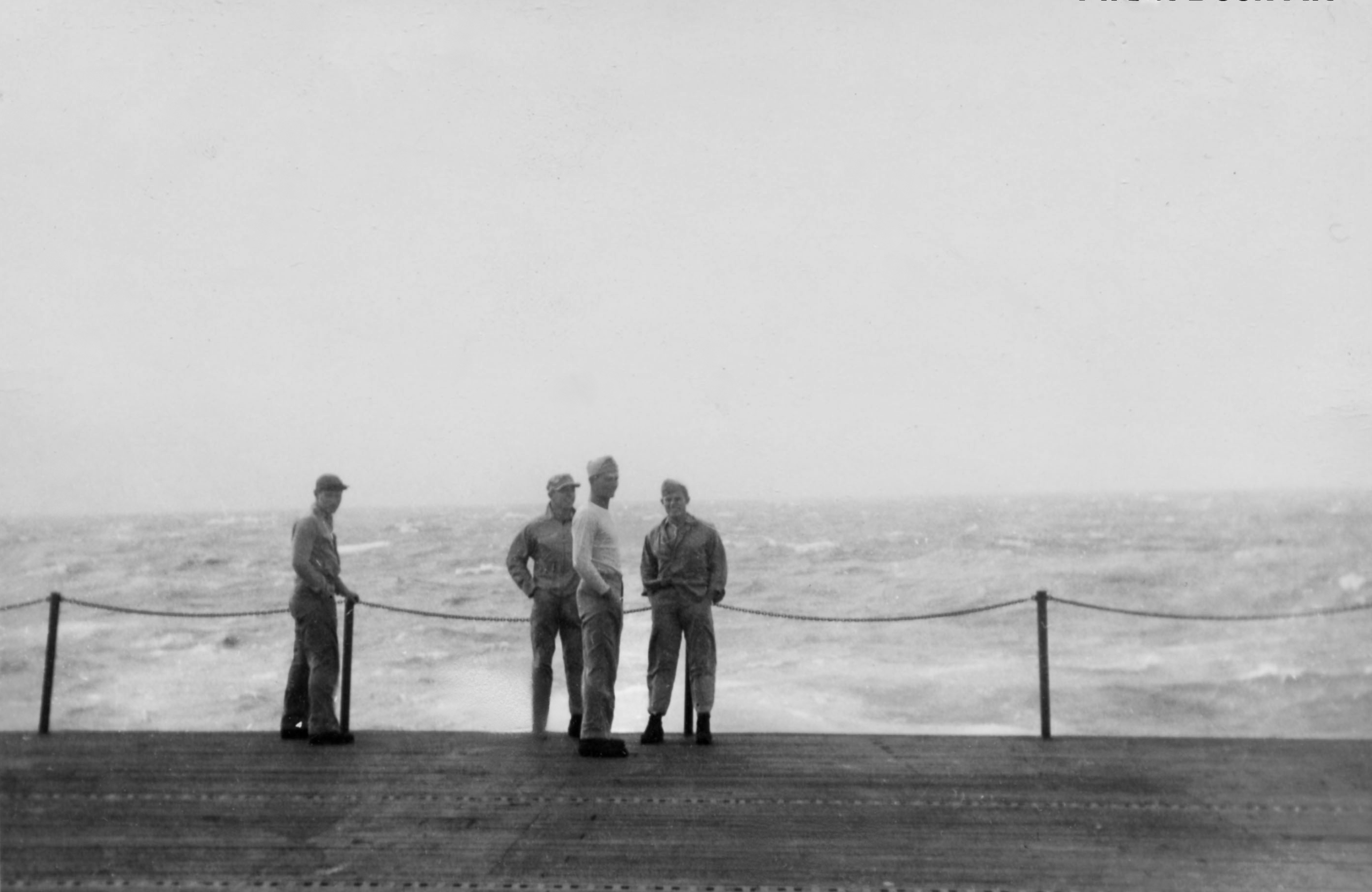
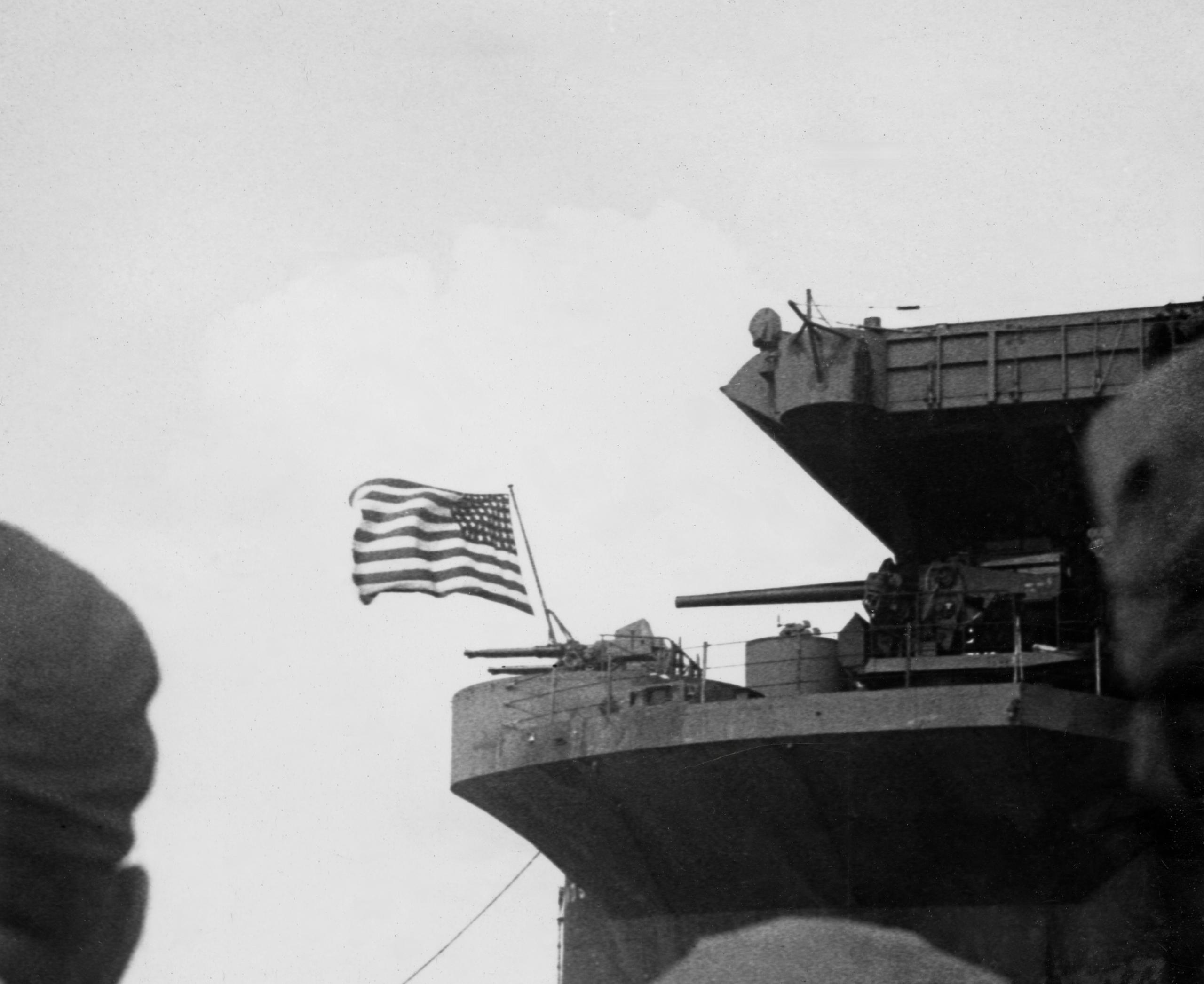
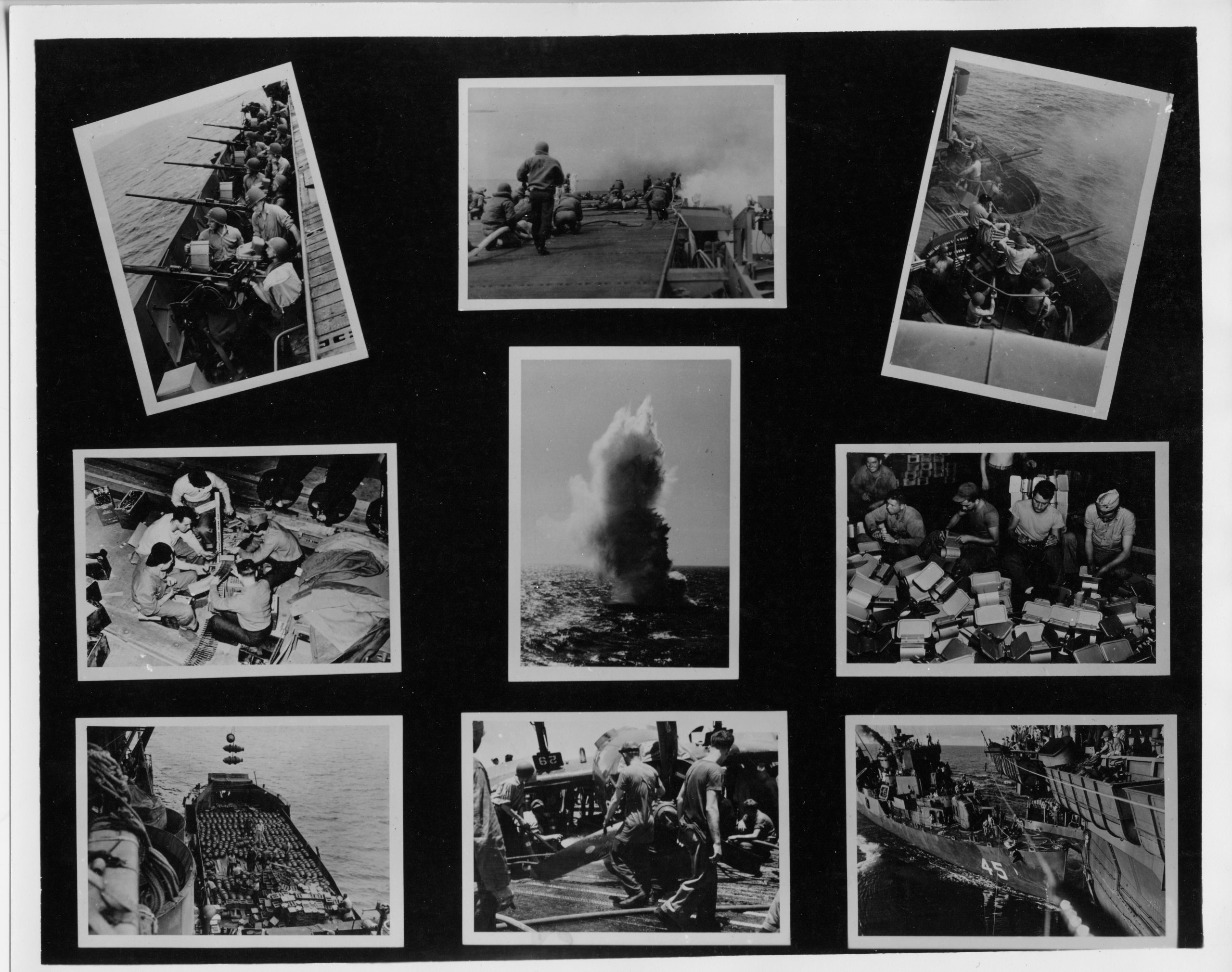
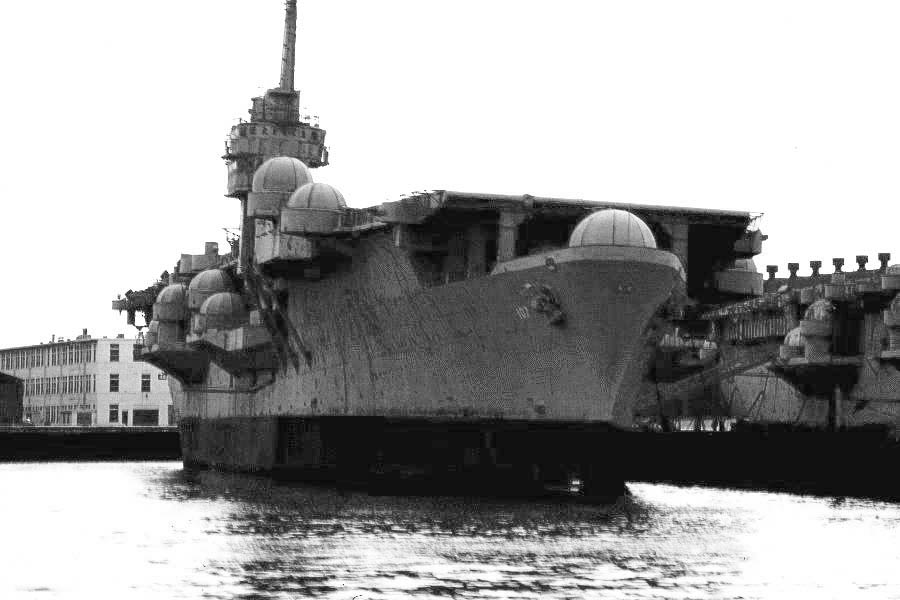
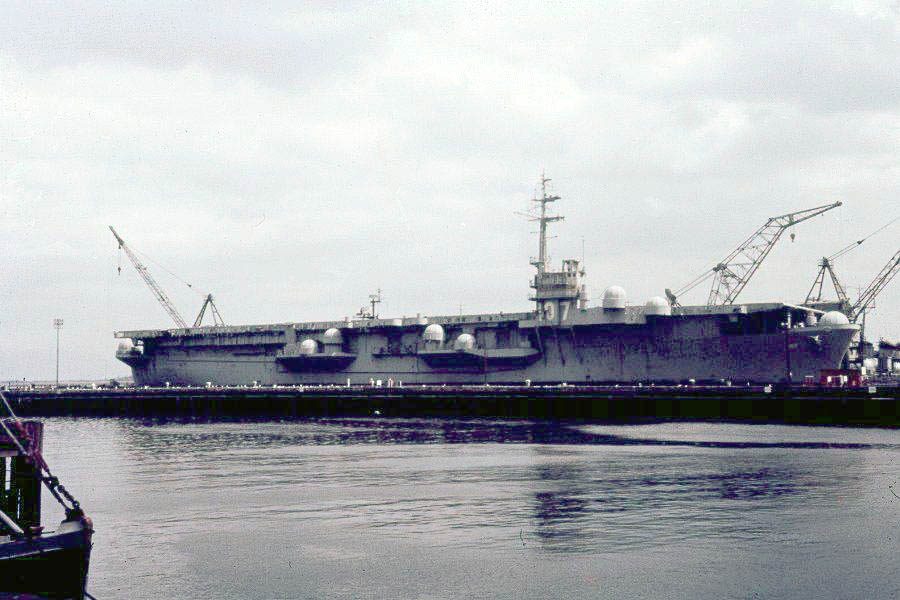
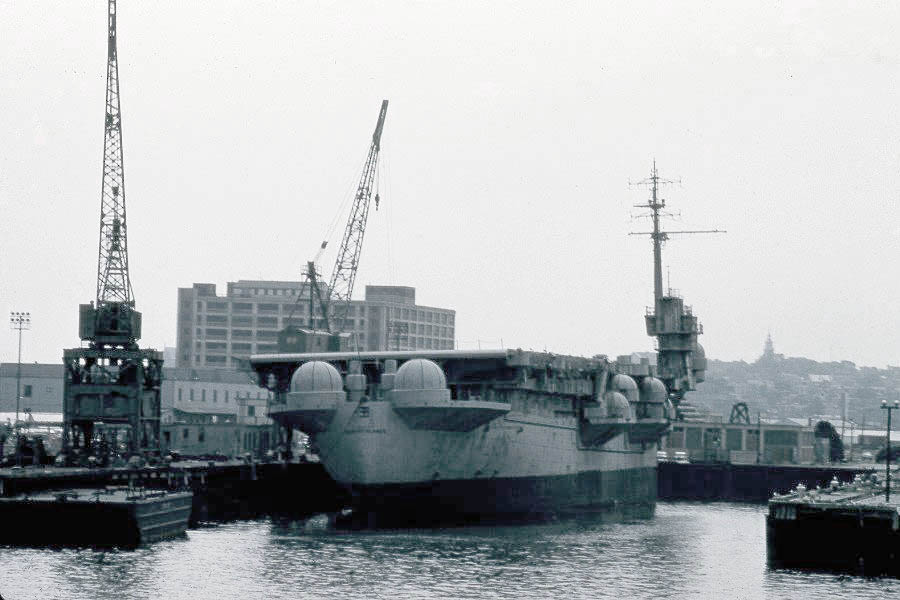
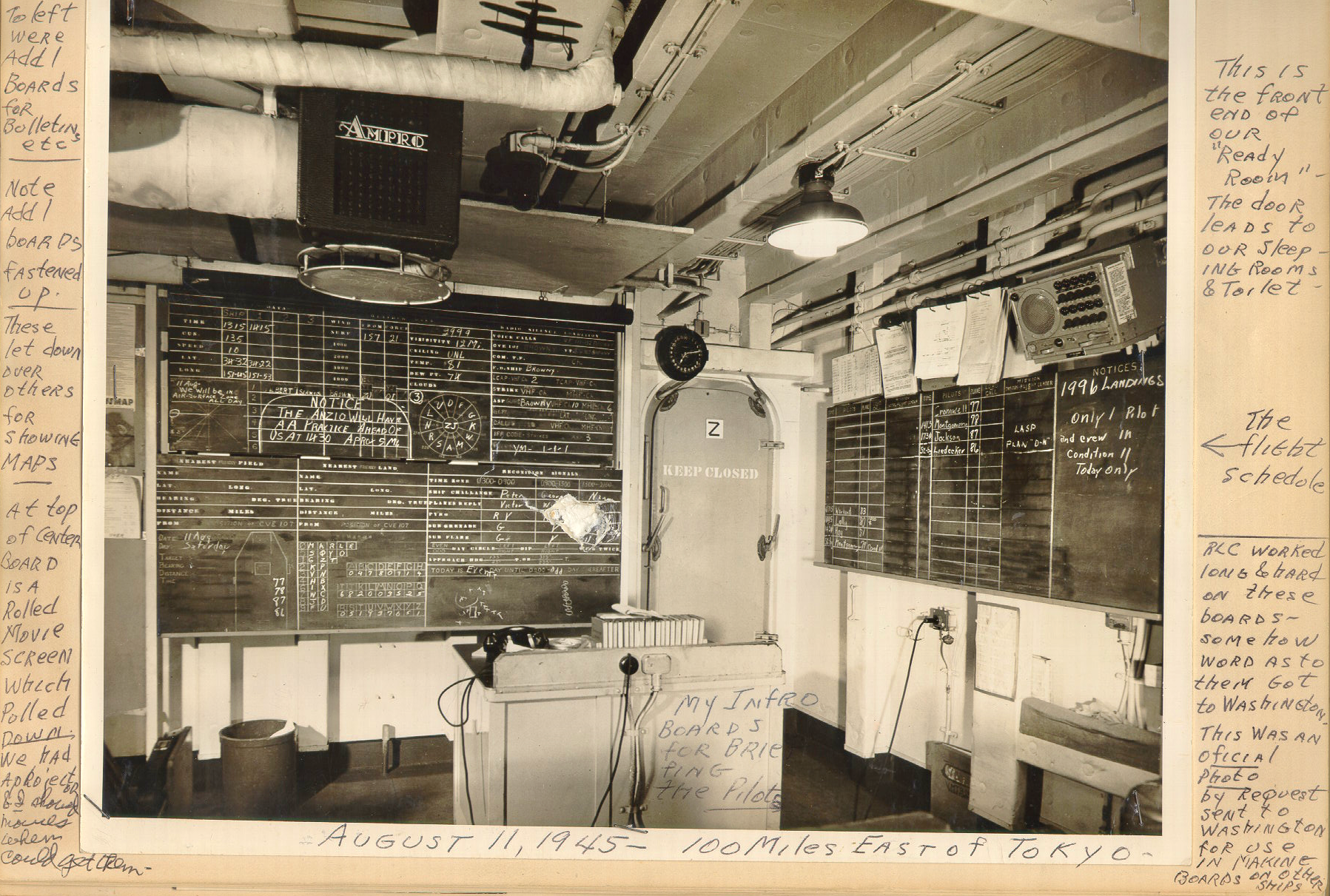
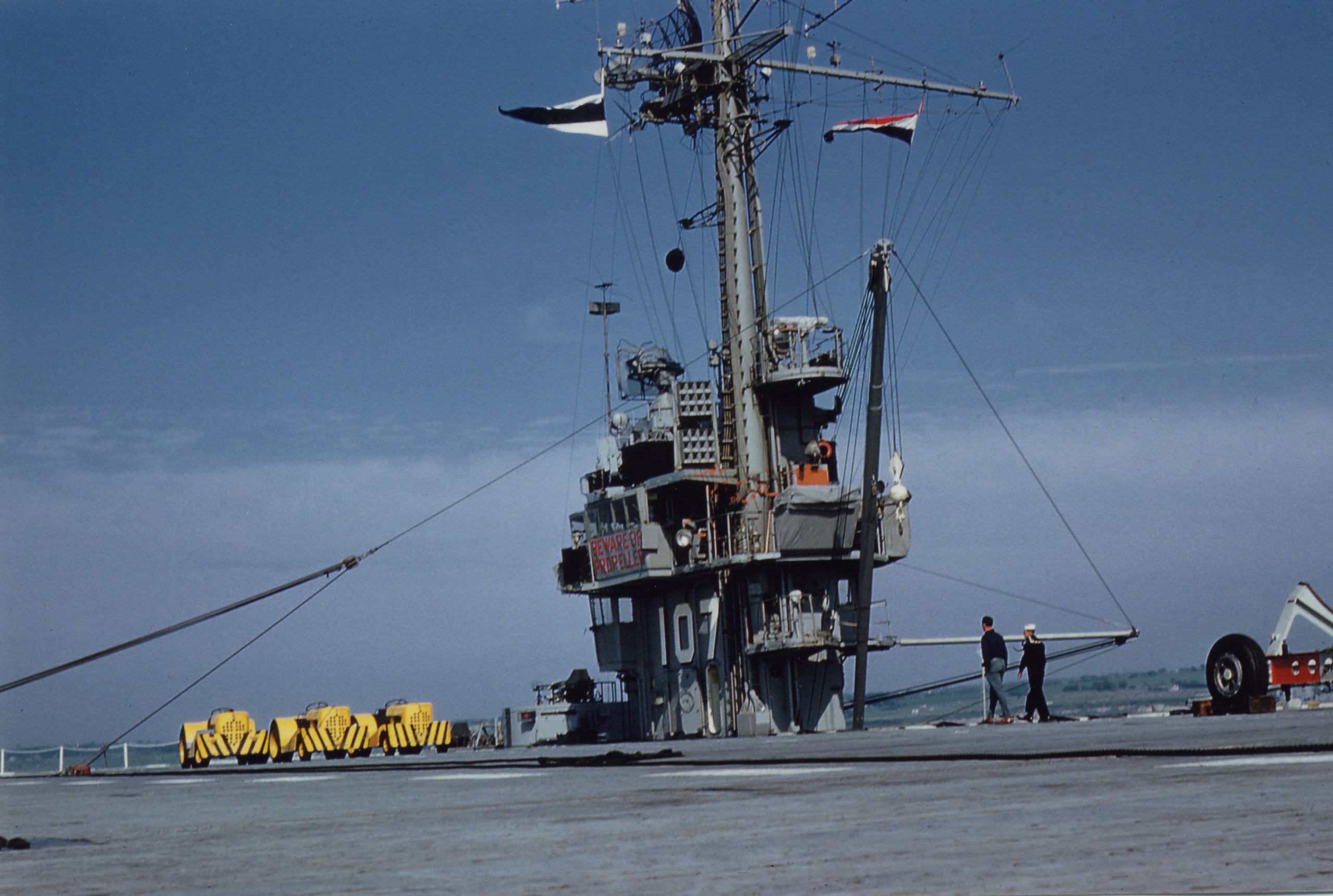
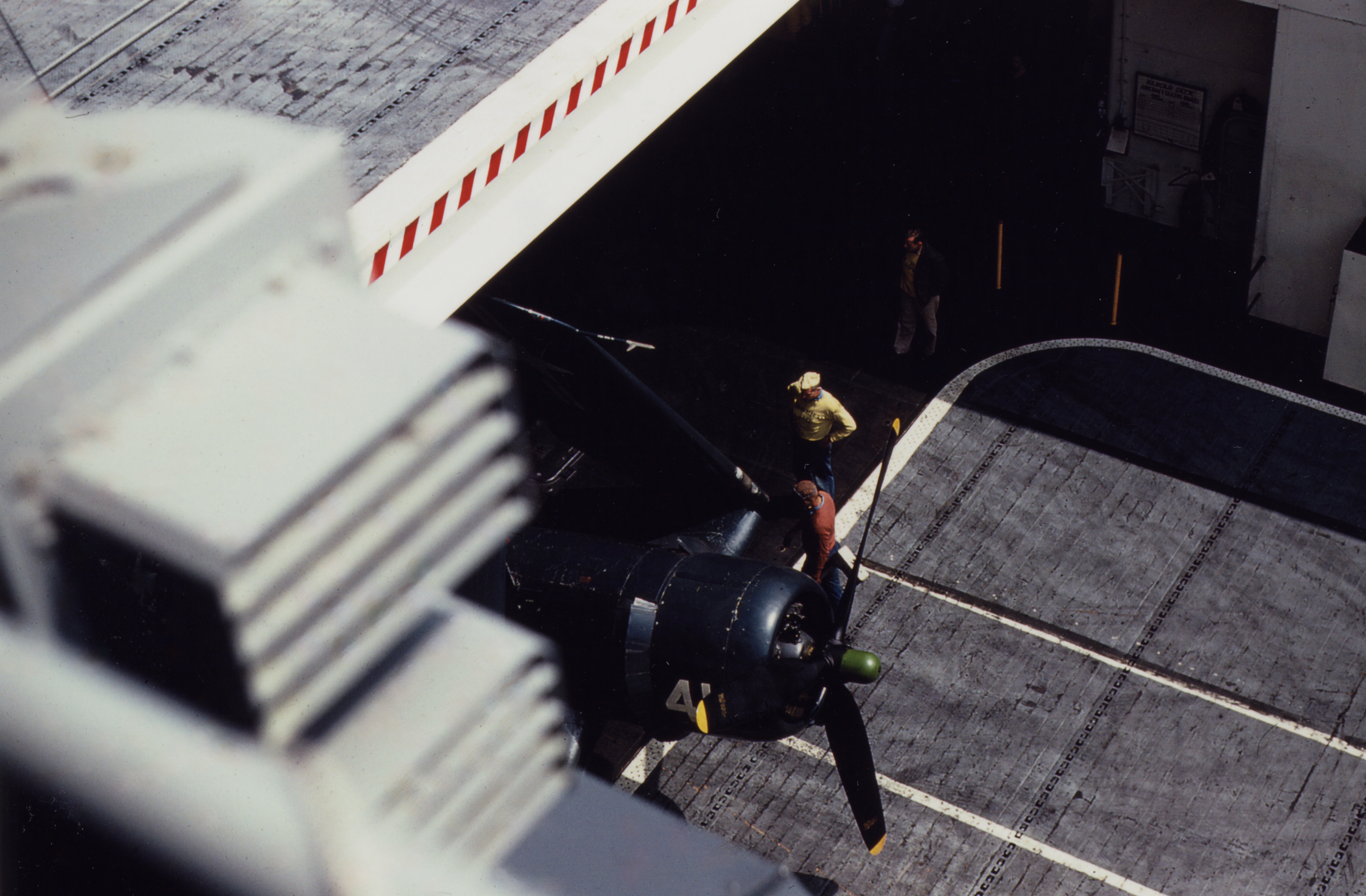
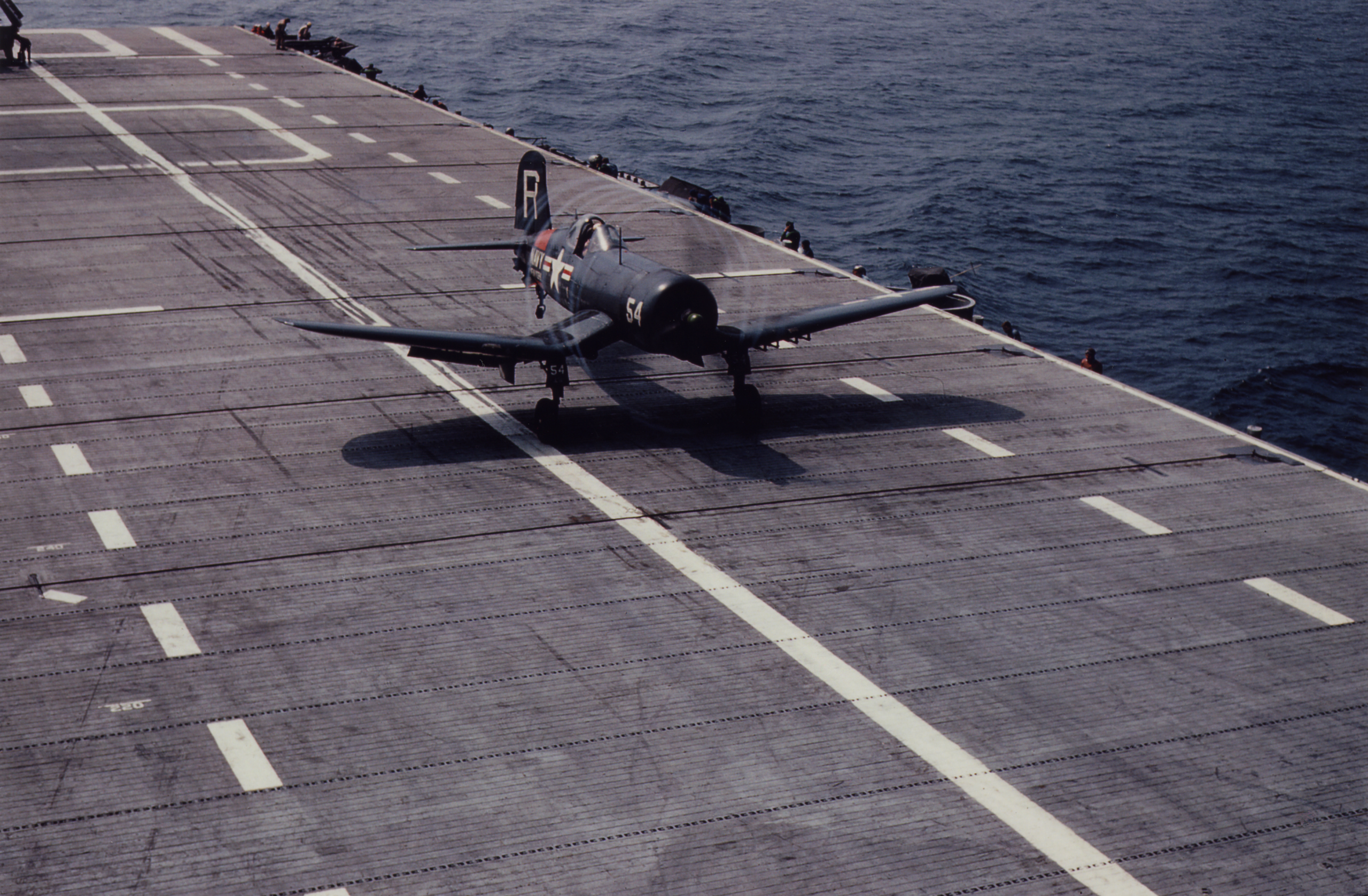
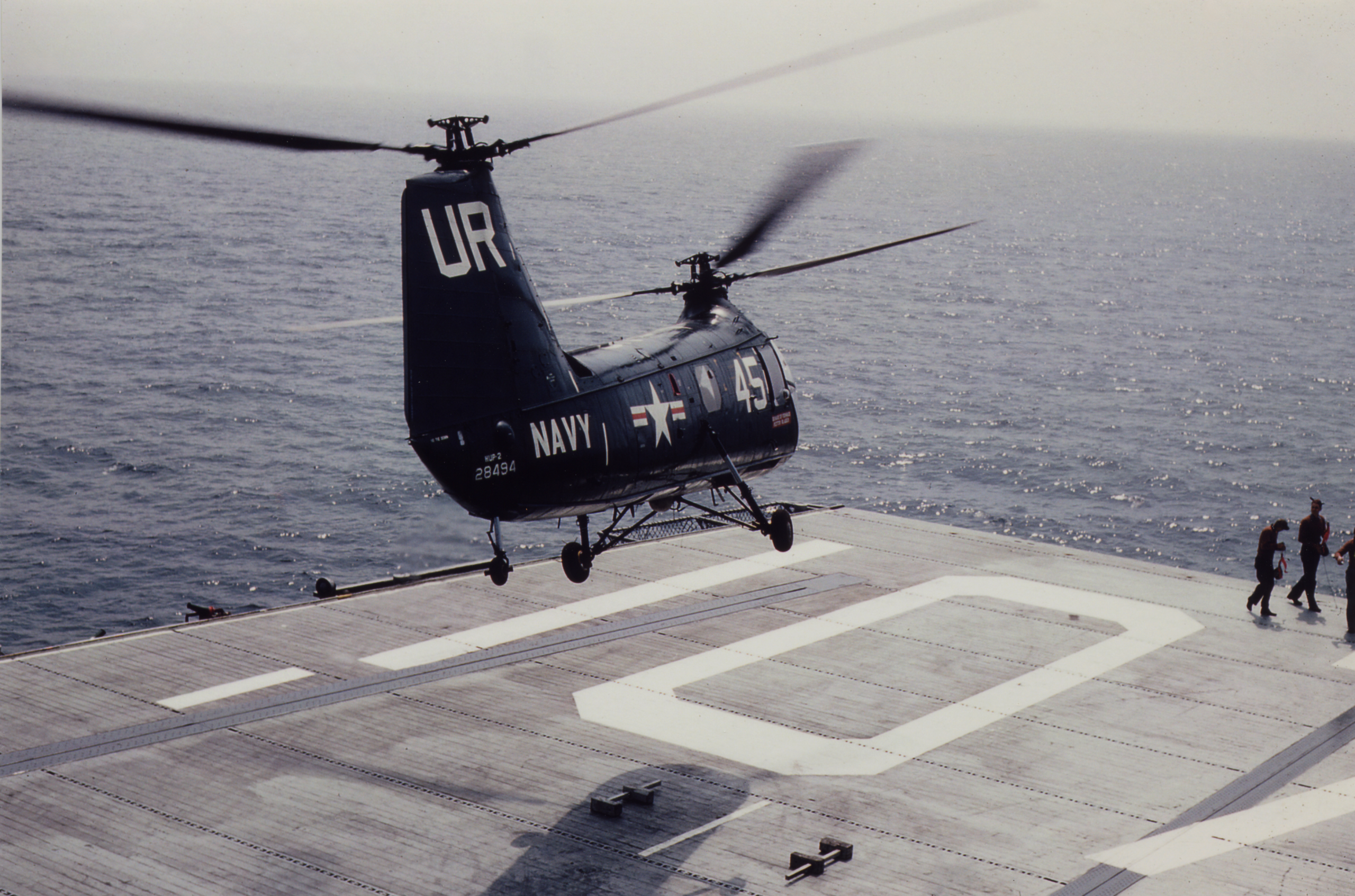
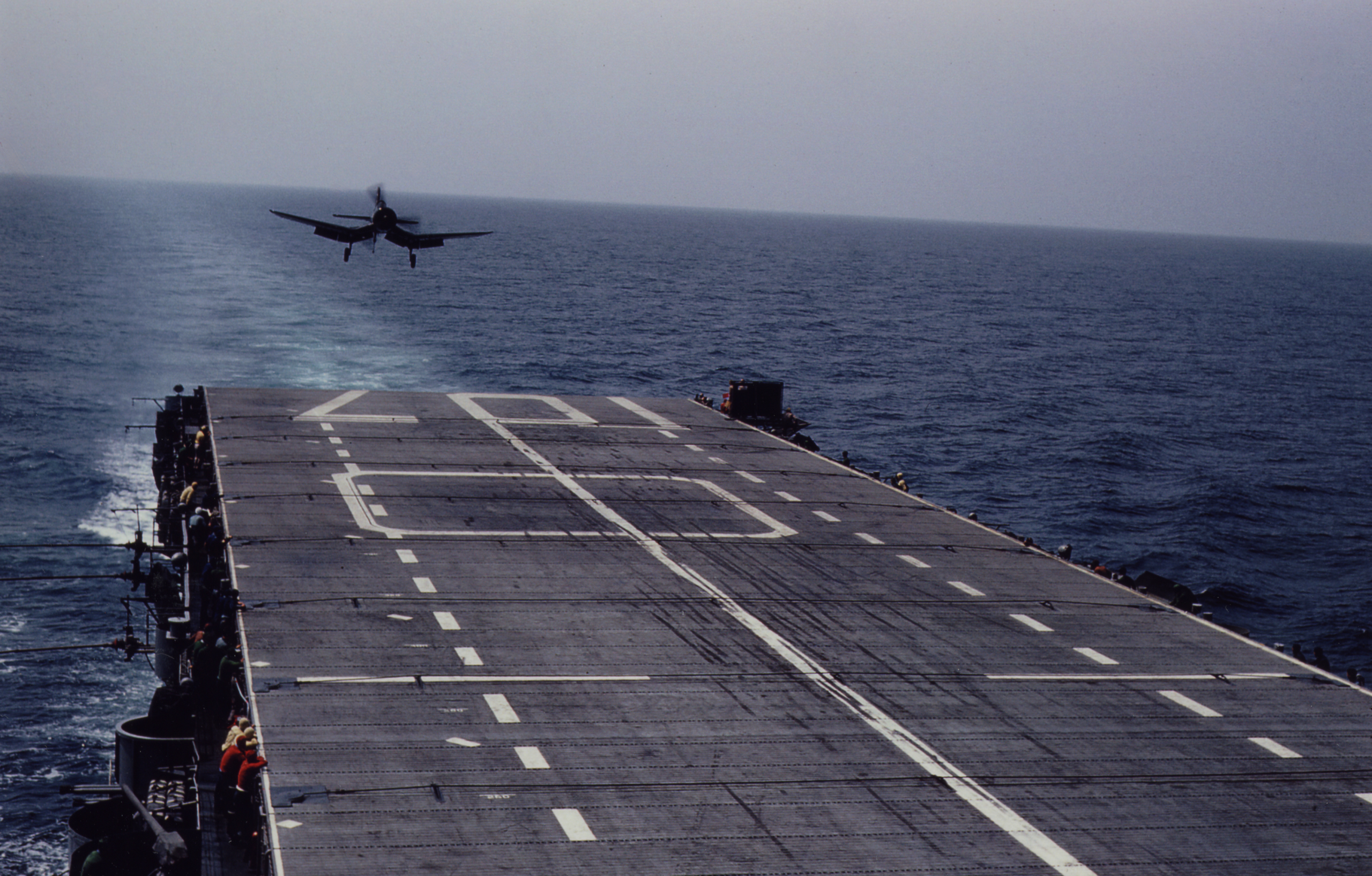
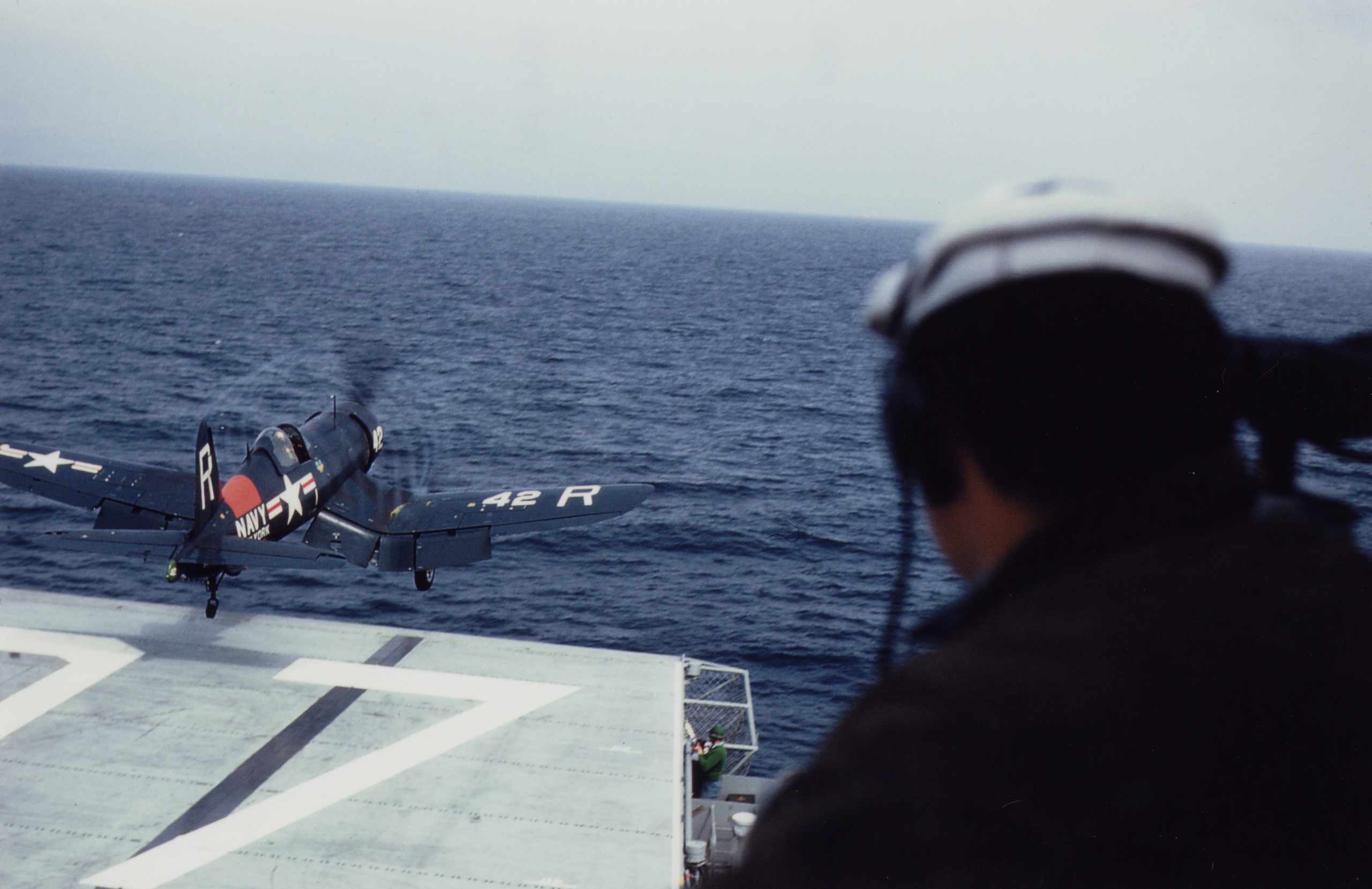
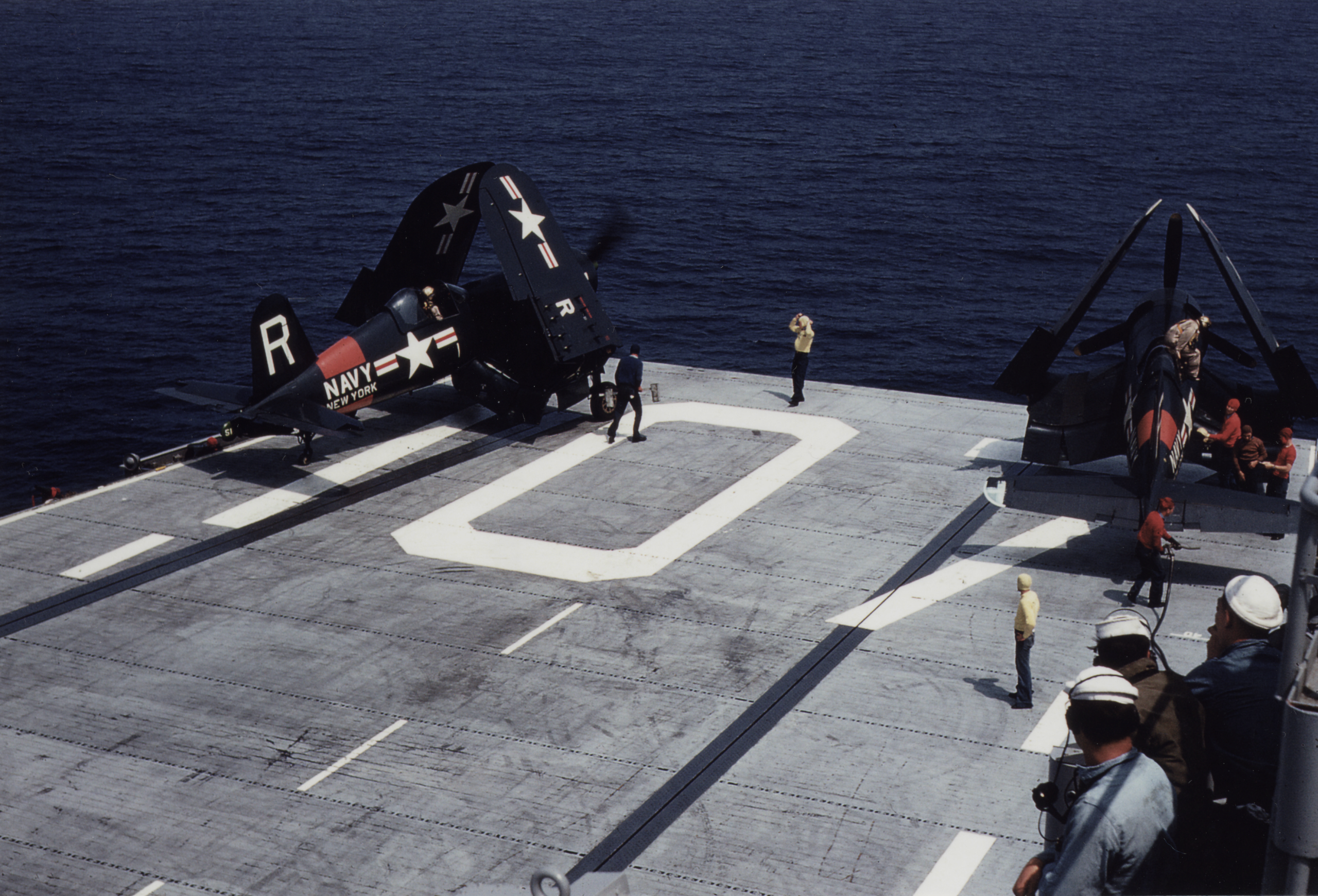
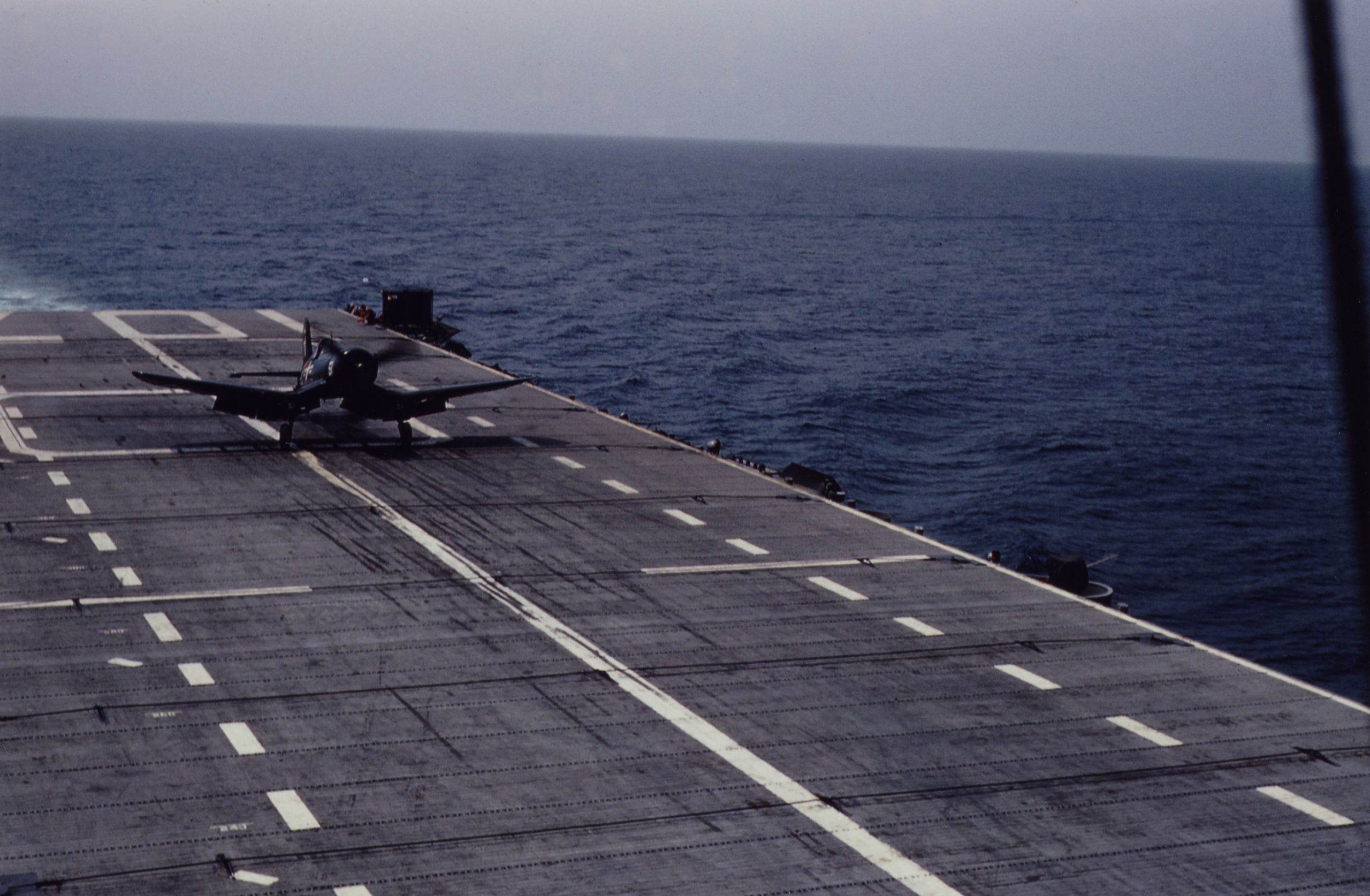
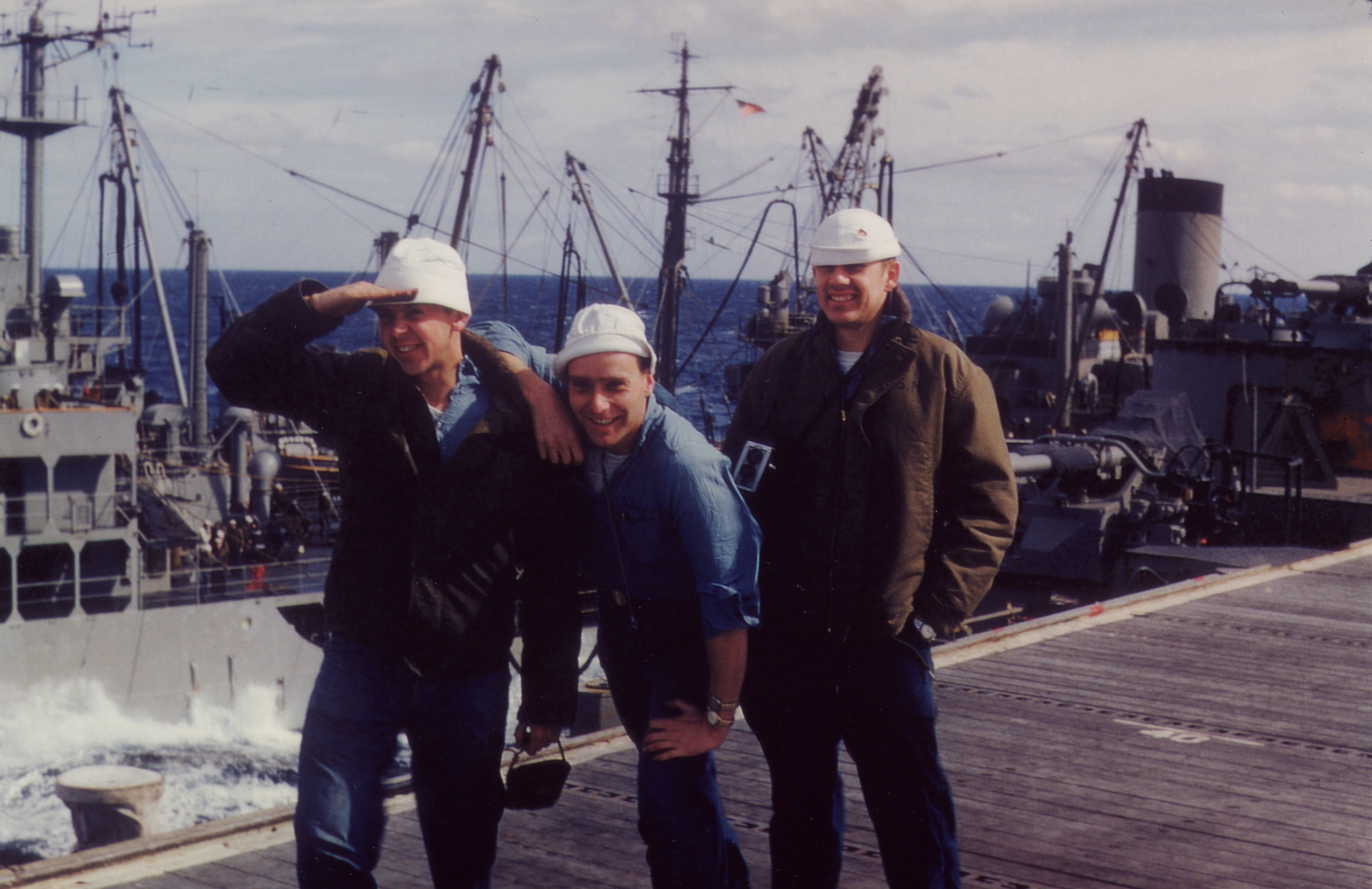
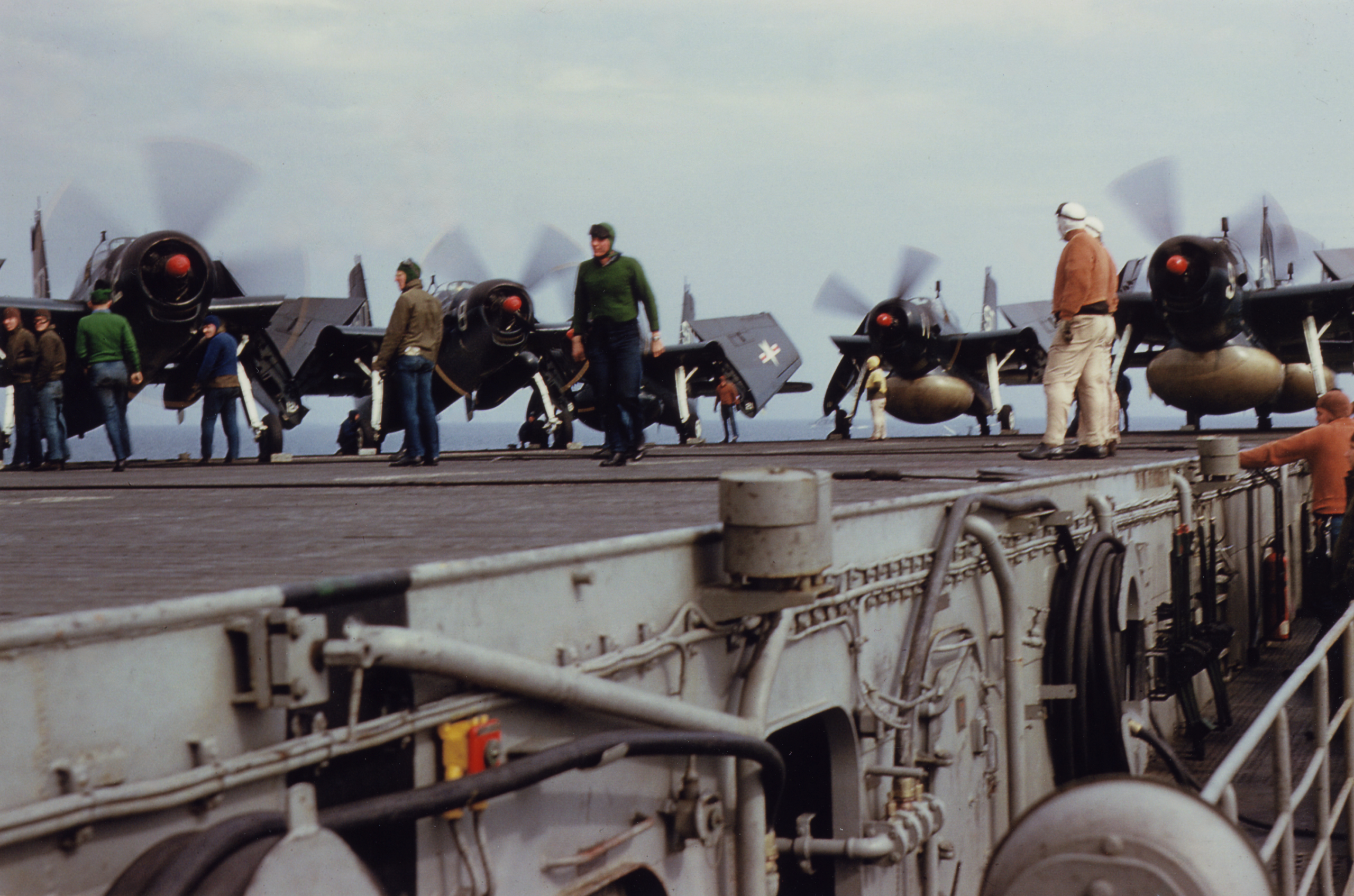
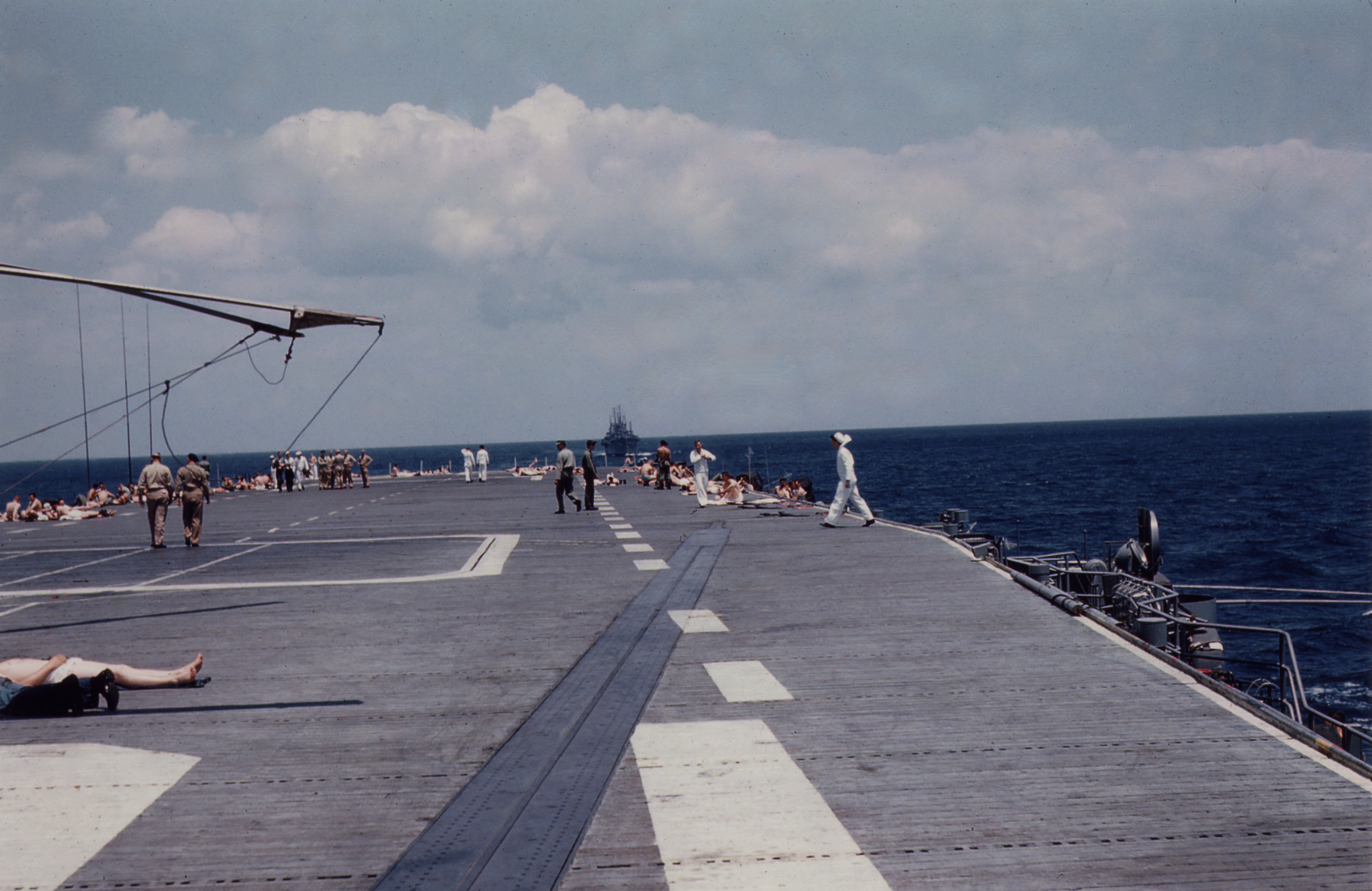
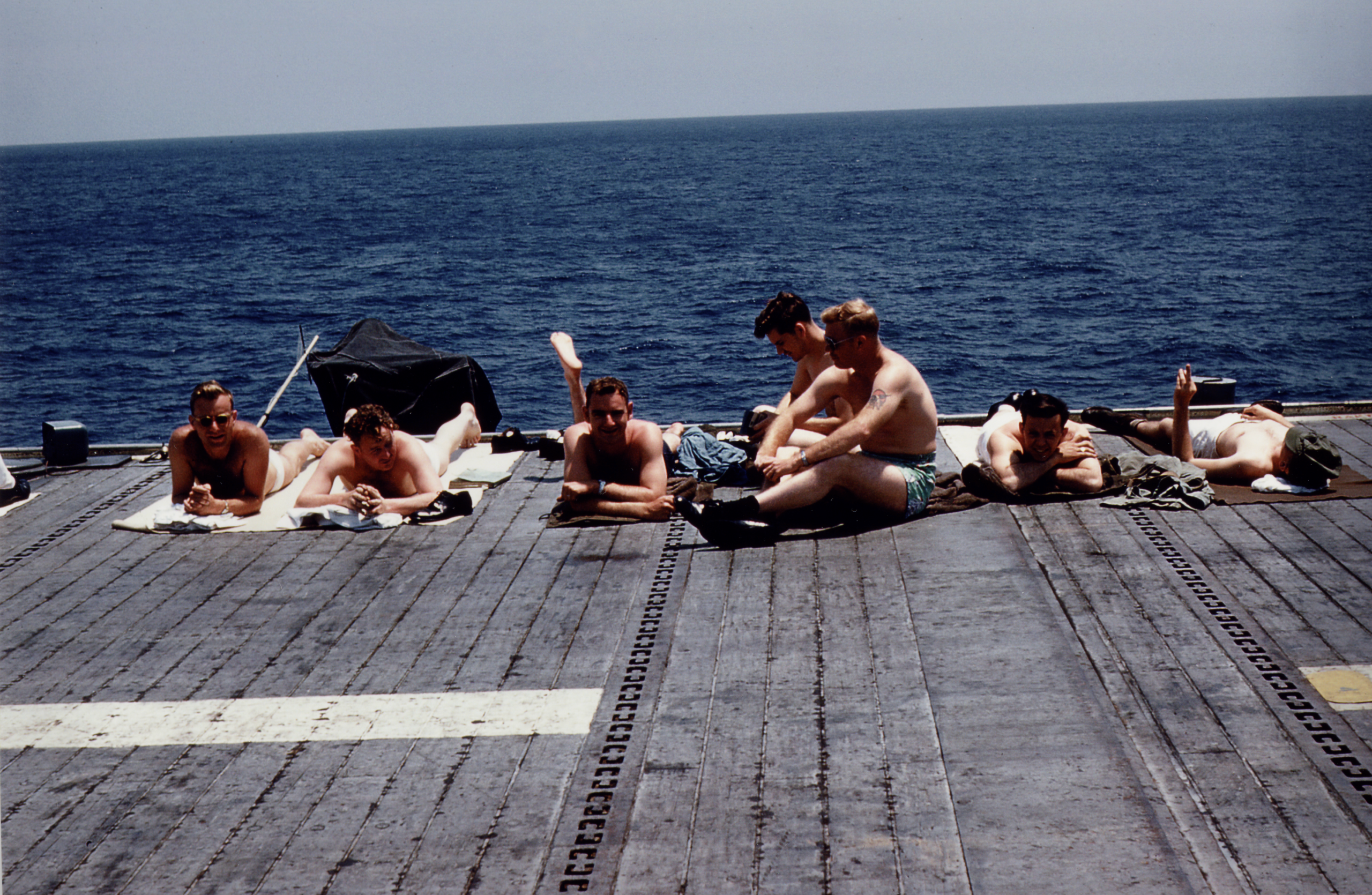
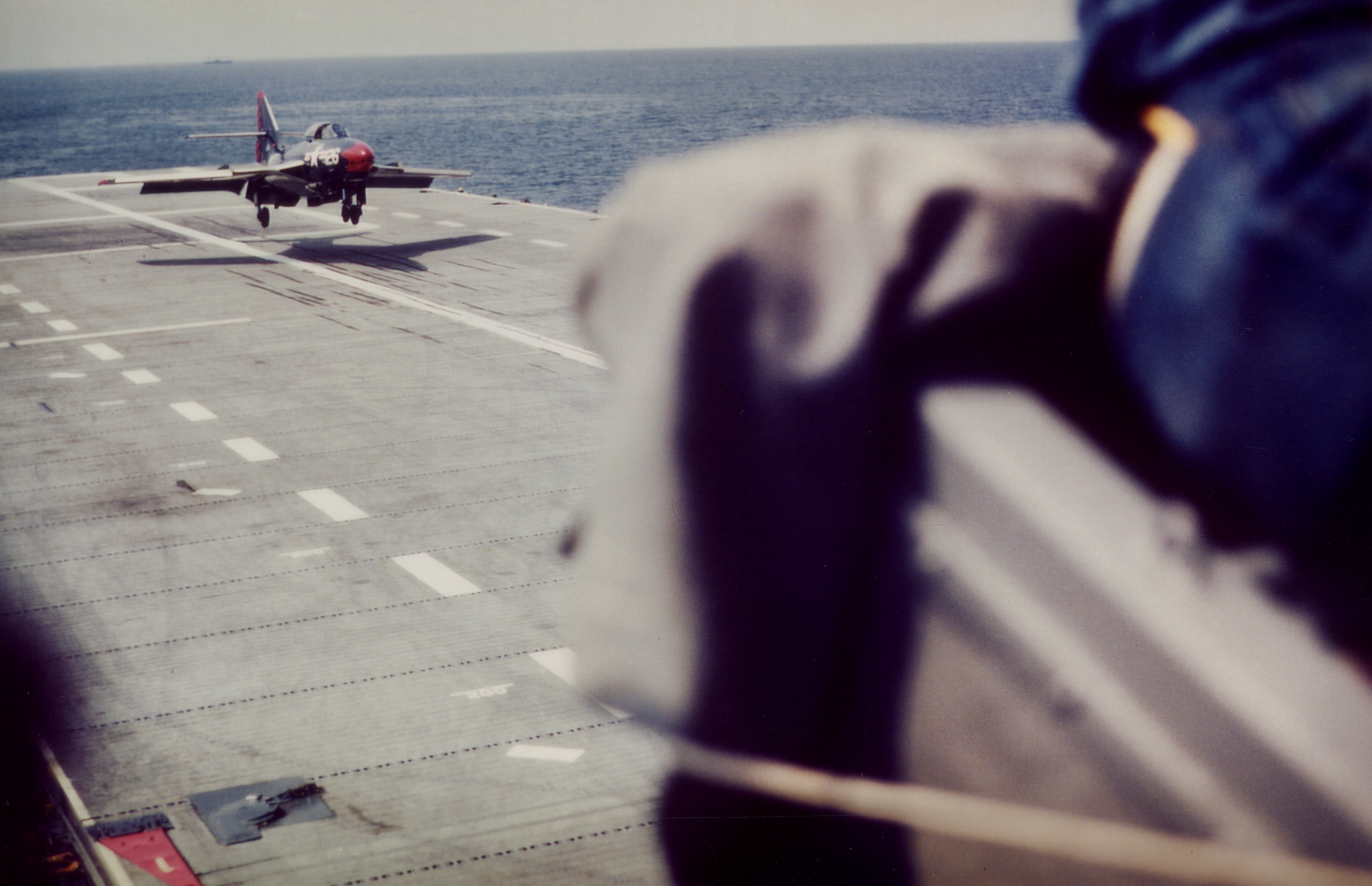
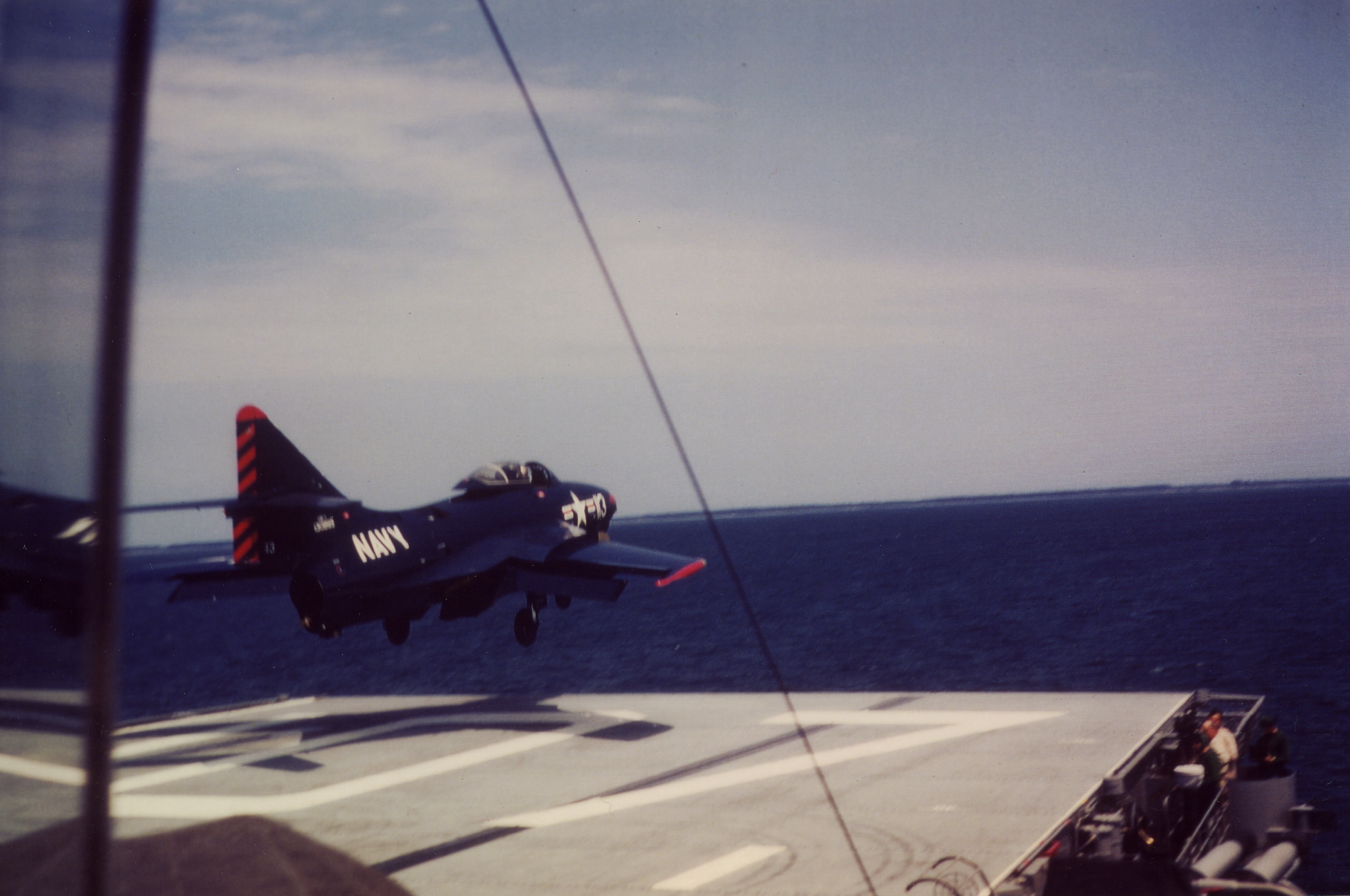
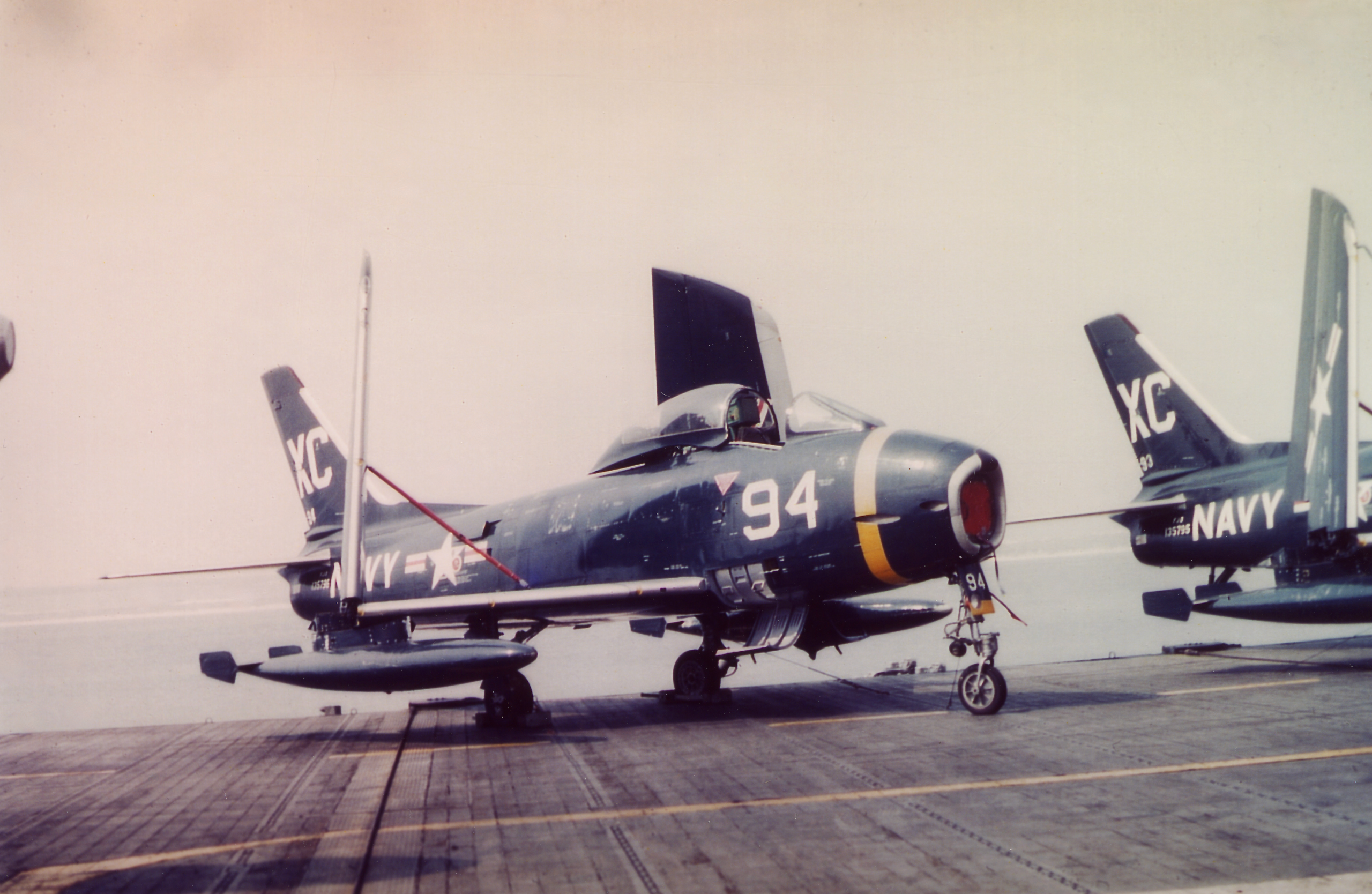
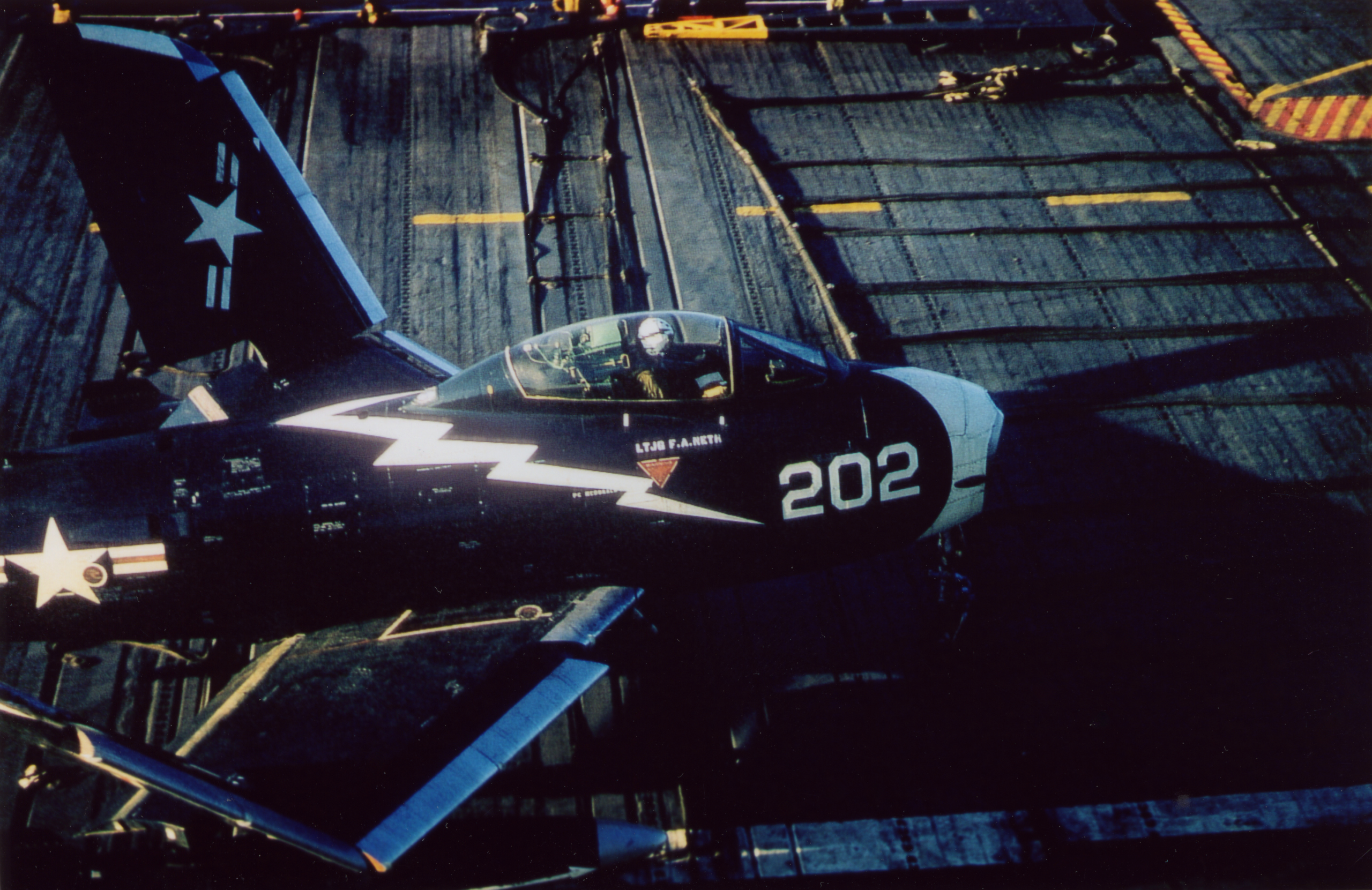
And here are pictures of the USS Gilbert Islands. Click each to see them in full size.